
Partner Article
London’s SME hotspots revealed in new study
Some of the capital’s most densely populated SME clusters have been identified in a new study with SE1 coming out on top as containing the highest proportion of small and medium enterprises.
Areas encompassing Southwark, Waterloo and London Bridge proved most popular for SMEs looking to rent serviced office space, with a total percentage of London’s businesses standing there standing at just over 7%.
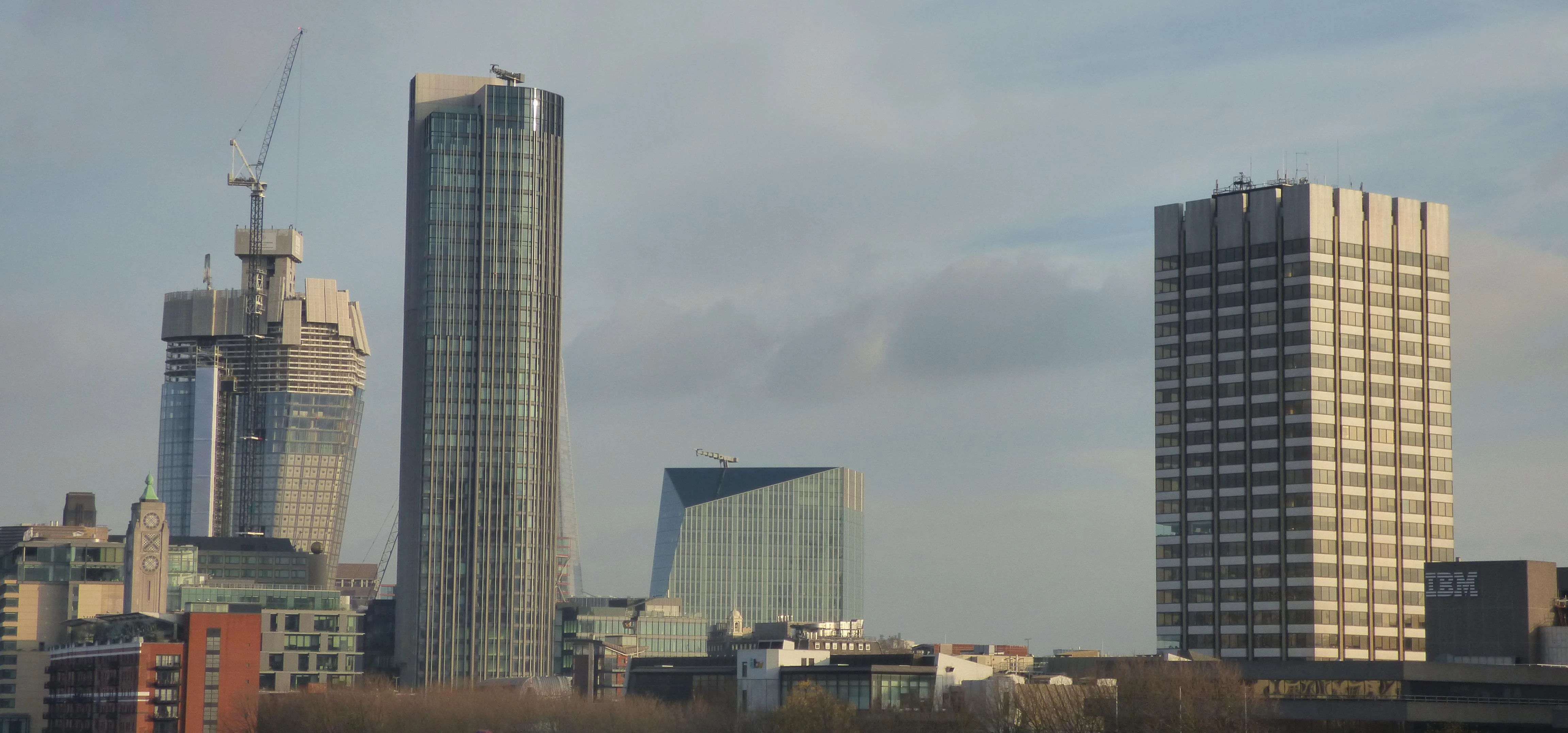
The area has become an extension of the City in recent years with developments such as The Shard underlining the significant amount of investment which has flooded into the area in the past decade.
According to the study by Flexioffices, the SE1 area boasts a wide selection of SMEs across various sectors with business services, finance/commodities, media, IT and legal particularly well represented in the area.
Elsewhere, the NW1 area in and around Kings Cross and Euston proved to be the second post popular destination for the capital’s SMEs, drawing firms attracted by the transport links to the rest of the UK and Europe.
London’s tech clusters also made an appearance in the list with relatively small postcodes such as EC2A, which includes Liverpool Street, and EC2M, which includes Old Street and Shoreditch, boasting the third and fourth highest concentration of SMEs respectively.
Want your business, product or service to be seen regionally and nationally? Bdaily helps you get your story in front of the right audience, every day. Find out how Bdaily can help →
Join more than 55,000 subscribers by signing up to our daily bulletin each morning here.
Enjoy the read? Get Bdaily delivered.
Sign up to receive our popular morning London email for free.
Our Partners







 Are you a meat proxy?
 Engaging the five-generation workplace
 Talent is an asset, not an operational resource
 Taking advantage of the opportunities ahead
 Accountability isn’t the enemy of empathy
 Act now to avoid a last-minute tax scramble
 How inner-city living can transform a city by the sea
 Artificial intelligence's value is the time it gives back
 Why we must break the magnetic pull of London
 AI scepticism is healthy - inaction isn't
 What does NPPF mean for planning gain and pricing?
 What new NPPF rules mean for landowners