
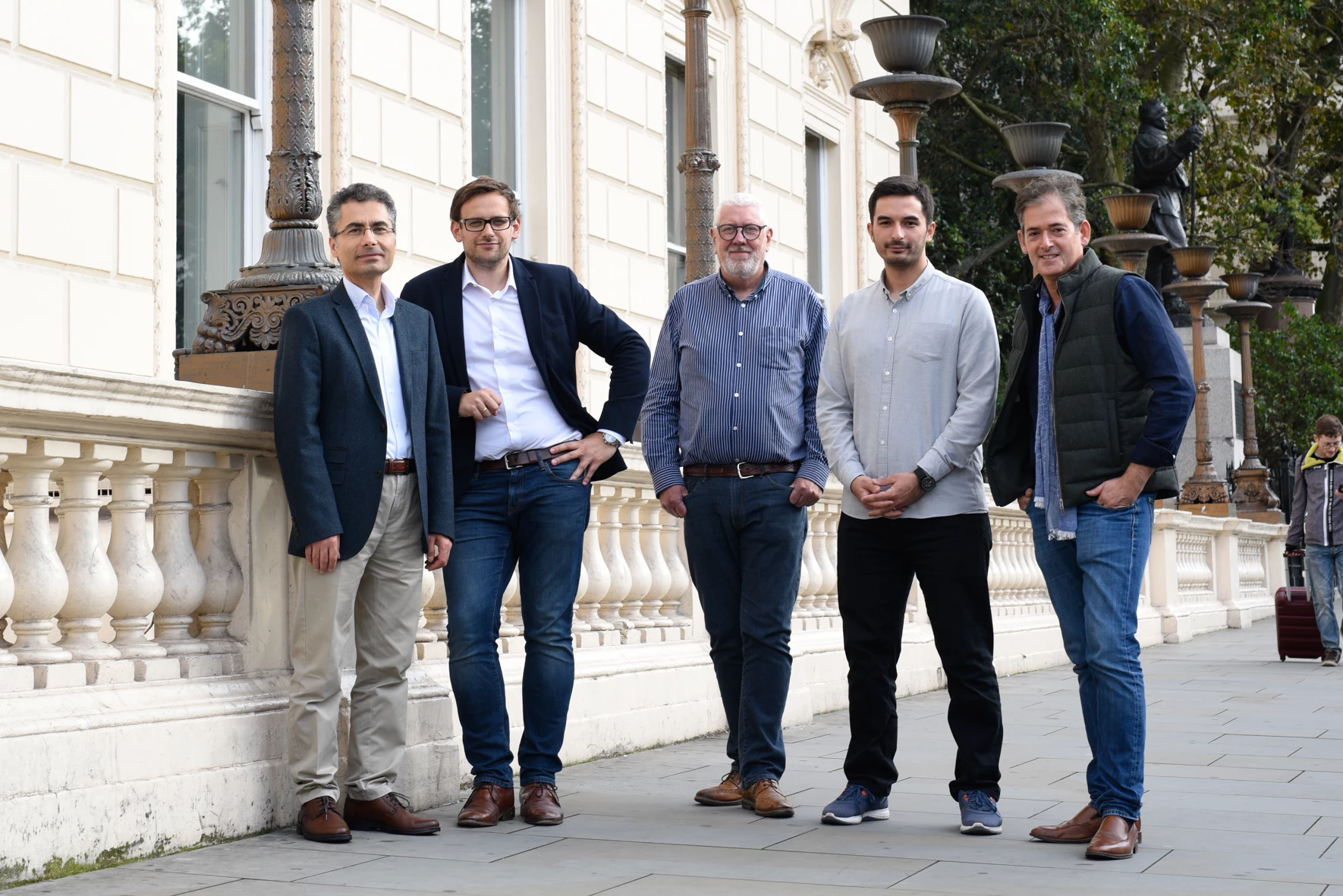
Teesside AI firm to double headcount with "dramatic" increase in customers
A Teesside artificial intelligence firm has announced that it is aiming to double its headcount by the end of next year.
Bubo.AI, which has recently moved to a new headquarters in Middlesbrough, will create six jobs as it “dramatically” increases the number of clients it works with.
This comes as the company announced that it secured 20 new clients over the last twelve months.
Alan Timothy, CEO of Bubo.AI, commented: “2020 has been a challenging year for so many companies, and the entire global economy.
“We are delighted and humbled by the support of those within the Bubo.AI network, from investors to academics, to advisors, commercial partners, suppliers, and everyone who’s played a role in the growth of the company throughout the year. I would personally like to thank them all.
“In 2021, we are looking forward to working with even more customers around the world.
“Helping companies, using AI and other solutions to improve their pricing strategies, and attending and speaking at conferences and other online and in-person events, as we did in our first year of growth.”
Want your business, product or service to be seen regionally and nationally? Bdaily helps you get your story in front of the right audience, every day. Find out how Bdaily can help →
Join more than 55,000 subscribers by signing up to our daily bulletin each morning here.
Enjoy the read? Get Bdaily delivered.
Sign up to receive our daily bulletin, sent to your inbox, for free.
Our Partners




 Resilience, connection and maximising opportunity
 In pursuit of healthy obsession
 Why the Budget must restore productivity
 What does collaboration really mean in business?
 Why NE6 is the real Northern Powerhouse
 Can you really judge someone by their CV?
 Are you flying too close to business burnout?
 Making education a lot better for a lot more
 Have we made it harder for young people to succeed?
 Celebrating Nissan's North East success story
 Are you a meat proxy?
 Engaging the five-generation workplace