
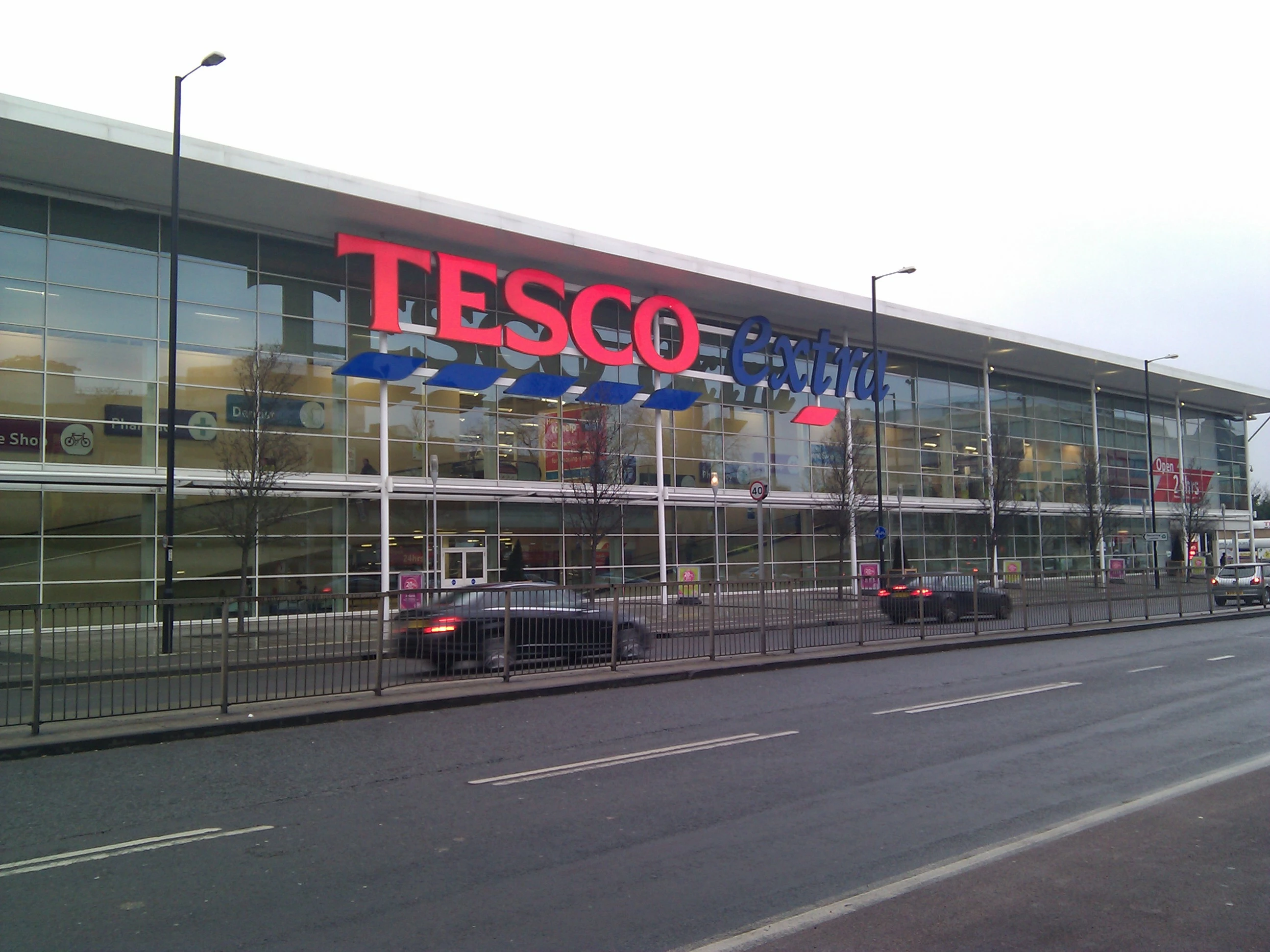
Tesco beats expectations for first quarter as clothing comes back on trend
A UK supermarket chain has announced that its sales have beaten market expectations in the first quarter of the year.
Tesco reported today that like-for-like online sales in the UK rose by 22.2 per cent in the 13 weeks to the end of May, with two-year LFL sales growth of 81.6 per cent.
The retailer also said that its overall sales saw growth of 1 per cent, rising to £13,362m and overtaking the high demand in the first quarter of last year.
It saw a 52.1 per cent rise in clothing sales, while general merchandise sales increased by 10.3 per cent.
Ken Murphy, chief executive of Tesco, commented: “We delivered a strong performance in the first quarter, even as we lapped the high demand of last year due to the pandemic.
“We have further strengthened our commitment to delivering consistent, reliable value and to rewarding loyalty, as we extended Clubcard Prices to all Express stores.
“Our colleagues continue to do a great job serving our customers, and I thank them for everything they’re doing.
“We remain focused on delivering great value, increasing loyalty and further developing our digital platform so we can serve our customers when, how and where they want.
“Our profit guidance from April remains unchanged. While the market outlook remains uncertain, I’m pleased with the strong start we’ve made to the year and continue to be excited about the many opportunities we have to create value over the longer term.”
Ross Hindle, analyst at Third Bridge, said: “Tesco’s Group like-for-like (LFL) sales (ex-fuel/ex-VAT) were up 1 per cent year on year, a beat on consensus.
“LFL sales remained impressive when comparing on a two-year basis, reflecting the continued lockdown momentum despite the gradual shift towards more traditional shopping habits.
“Average basket sizes and shopping frequencies have begun to retreat towards pre-pandemic levels as restrictions ease and consumers enjoy the novelty of getting out and about.
“Whether this trend continues is down to the adoption of hybrid working styles and the normalisation of our leisure choices.
“The lifting of lockdown restrictions, coupled with an end to the furlough scheme and a potential rise in unemployment all represent headwinds for Tesco and its big 4 counterparts.
“Tescos has already lost 30 basis points of market share since the start of 2021, with discounters being the main benefactors.
“Many of our experts argue the current environment plays into the hands of the discounters and the big 4 will continue to lose share throughout the summer.
“It is believed that Tesco will continue with its Aldi price-match strategy in order to remain price-competitive, however it is questioned how sustainable a low-price strategy is given current inflationary headwinds.
“Tesco’s large number of city-centre convenience stores is likely to be its Achilles heel until workers return to the office en masse.
“Although volumes might be offset by gains in online, profitability will be hampered longer-term.
“Our experts believe Tesco derives an advantage from its white-label offering within fresh food and if the group can successfully improve the basket weighting of these items, it will remain competitive with like-for-like sales attractive.”
Want your business, product or service to be seen regionally and nationally? Bdaily helps you get your story in front of the right audience, every day. Find out how Bdaily can help →
Join more than 55,000 subscribers by signing up to our daily bulletin each morning here.
Enjoy the read? Get Bdaily delivered.
Sign up to receive our popular morning National email for free.
Our Partners




 Resilience, connection and maximising opportunity
 In pursuit of healthy obsession
 Why the Budget must restore productivity
 What does collaboration really mean in business?
 Why NE6 is the real Northern Powerhouse
 Can you really judge someone by their CV?
 Are you flying too close to business burnout?
 Making education a lot better for a lot more
 Have we made it harder for young people to succeed?
 Celebrating Nissan's North East success story
 Are you a meat proxy?
 Engaging the five-generation workplace