
Partner Article
Cervical cancer diagnosis given large cash injection
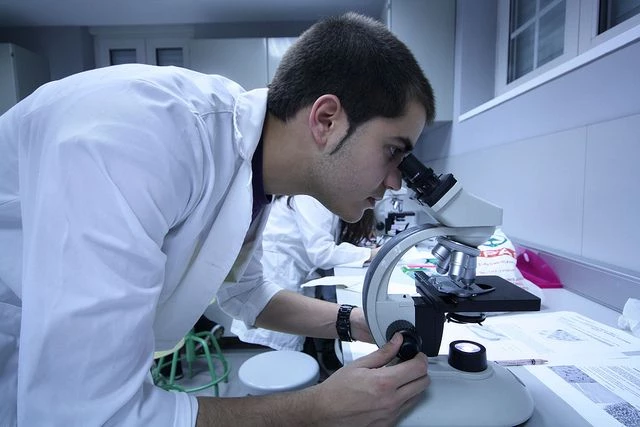
Sheffield based Zilico have received almost £1 million to help in their quest for more accurate detection of cervical cancer and precancerous conditions.
Zilico, who will soon be moving their headquarters to Manchester, have received £750,000 from North West for Biomedical which is managed by SPARK, and £235,000 from new and existing investors.
Zilico limited was originally a spin off from the University of Sheffield and Sheffield Teaching Hospitals NHS Foundation Trust.
The research being carried out by Zilico could could be used to speed up the detection of cervical cancer, a disease which affects around 500,000 women around the world each year and is responsible for almost half as many deaths.
Dr Penny Attridge, senior investment director at SPARK Impact and manager of The North West Fund for Biomedical, said: “Cervical cancer is the second most common cancer in women under 35 and we feel this technology really has the potential to become a successful diagnostic tool for this cruel disease.”
Currently, women in the UK have a Pap smear or LBC test every three or five years and, women whose tests are positive are then referred for detailed cervical examinations. Zilico’s new handheld device would provide ‘real time’ results for women undergoing both types of test and would dramatically cut the waiting time for worried patients.
The new technology uses electrical impedance spectroscopy (EIS) which has the ability to measure the resistivity of cells and detect changes as cells progress from normal to precancerous to cancerous.
Chief executive of Zilico, which was formed in 2006, Sameer Kothari, said: “It is the strength of the Zilico proposition including the recent pivotal trial data that has enabled us to secure this significant investment.”
This was posted in Bdaily's Members' News section by Francesca Dent .
Enjoy the read? Get Bdaily delivered.
Sign up to receive our popular morning National email for free.
Our Partners


 Is your business using artificial intelligence right?
 Resilience, connection and maximising opportunity
 In pursuit of healthy obsession
 Why the Budget must restore productivity
 What does collaboration really mean in business?
 Why NE6 is the real Northern Powerhouse
 Can you really judge someone by their CV?
 Are you flying too close to business burnout?
 Making education a lot better for a lot more
 Have we made it harder for young people to succeed?
 Celebrating Nissan's North East success story
 Are you a meat proxy?