
Partner Article
Cotton Traders turns in solid performance
Cotton Traders, the Cheshire clothing and footwear retailer founded by former England rugby captains Fran Cotton and Steve Smith, has reported a year of solid growth.
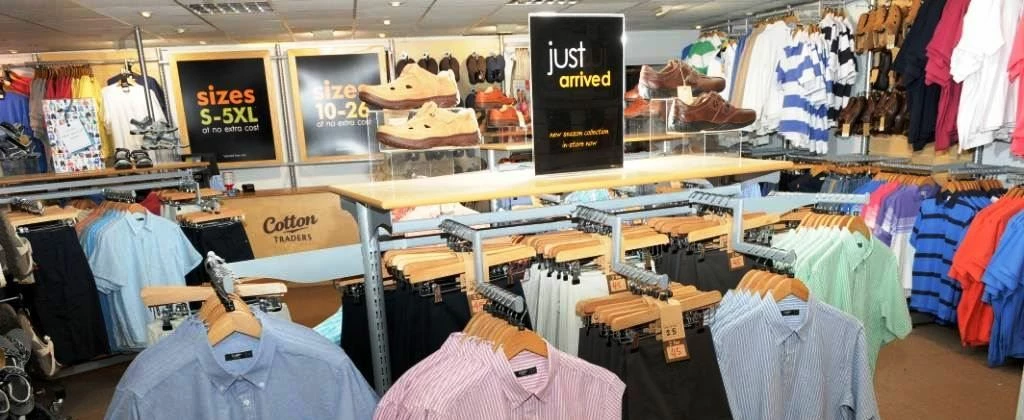
The company, which is based in Altrincham, operates via catalogue and online channels, and also has 125 stores in locations ranging from motorway services stations to garden centres and outlet malls.
It sells footwear, clothing and accessories, having developed its range from its original core offer of rugby shirts and leisure wear. It opened its first store at Cheshire Oaks in 1998 and now boasts 15 sites across the North West.
Cotton Traders is one-third owned by retail giant Next Group. The accounts for parent company Cotton Traders Holdings reveal that the business paid Next Group more than £8m for product sourcing and other administrative services during the year.
In the year to the end of January, Cotton Traders saw increases on both home shopping and retail revenues as turnover rose 1% to £77.3m, more than off-setting a fall in sales to wholesale customers. Pre-tax profits were £50,000 higher at £4.156m. Directors said the company’s performance in the year under review was “satisfactory”.
Sales through the shops rose for, £26.6m to £27.7m, while home shopping - the heritage of the business which launched as a catalogue operation - rose from £47.2m to £49.4m.
Last year in a top-level reshuffle Fran Cotton moved from managing director to executive chairman, and retail director Nick Hamblin became managing director. Steve Smith, who had been running the small wholesale division, became a non-executive director.
This was posted in Bdaily's Members' News section by Simon Malia .
Our Partners




 Why innovation needs more than good ideas
 Is your business using artificial intelligence right?
 Resilience, connection and maximising opportunity
 In pursuit of healthy obsession
 Why the Budget must restore productivity
 What does collaboration really mean in business?
 Why NE6 is the real Northern Powerhouse
 Can you really judge someone by their CV?
 Are you flying too close to business burnout?
 Making education a lot better for a lot more
 Have we made it harder for young people to succeed?
 Celebrating Nissan's North East success story