
Partner Article
Liverpool Hoteliers Association assign new chairman
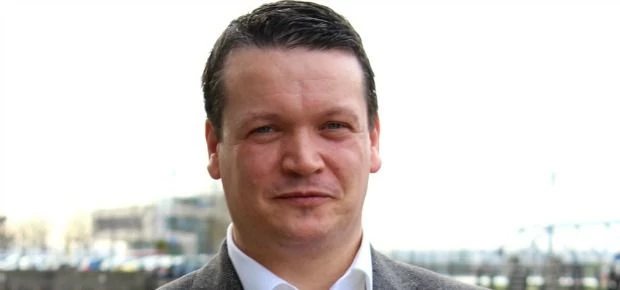
Liverpool Hoteliers Association has appointed James Rush, general manager of Malmaison, as its new chairman.
Prior to working at one of the city’s most popular boutique hotels, James has spent the last 19 years in the hospitality industry – operating in a variety of managerial roles for brands including InterContinental and Jurys Inn.
As a result of his diverse wealth of knowledge and experience, the new chairman has taken over the position from Mike Dewey, general manager of Hard Days Night Hotel.
James said: “I am delighted to have been given this fantastic opportunity. My involvement in the association will hopefully further the excellent standards of Liverpool’s vibrant hotel industry.
“I will work alongside the dedicated members to ensure that their views are highly represented and expressed amongst the city, in order to provoke on-going development.”
Key responsibilities conducted by the new chairman will include the proposal of initiatives direct liaising with top city agencies, as well as driving regional business opportunities.
James added: “The enthusiasm from Liverpool’s hotel industry is staggering. I am honoured to be a part of such a motivated network of people. Our joint goal is to bring more investment into the North West, whilst continuing to cultivate our existing hotel and tourism businesses.”
This was posted in Bdaily's Members' News section by Stephanie Wynne .
Our Partners




 Resilience, connection and maximising opportunity
 In pursuit of healthy obsession
 Why the Budget must restore productivity
 What does collaboration really mean in business?
 Why NE6 is the real Northern Powerhouse
 Can you really judge someone by their CV?
 Are you flying too close to business burnout?
 Making education a lot better for a lot more
 Have we made it harder for young people to succeed?
 Celebrating Nissan's North East success story
 Are you a meat proxy?
 Engaging the five-generation workplace