
Partner Article
New Cumbria facility will improve recycling process
A Cumbria-based waste company is set to invest over £500,000 in a new facility aimed at improving the recycling process.
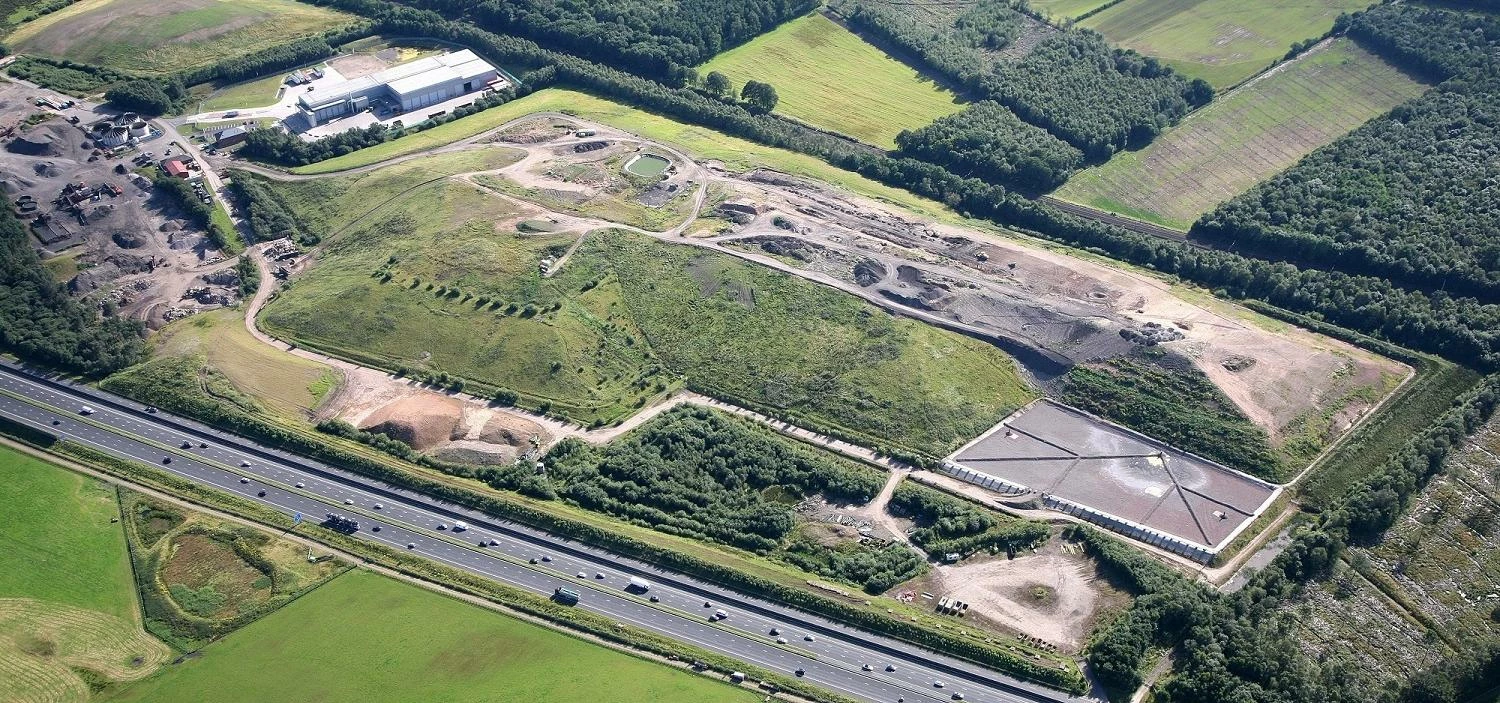
Cumbria Waste Group (CWG) is to build a new waste baling facility at its Hespin Wood site, near Carlisle.
The waste baler will compact recyclables such as cardboard, plastics and cans, making them easier to store and transport. As well as reducing waste disposal costs for its customers, it will also mean CWG can generate extra income for customers through the sale of this material on the recycling markets.
The baler, which can process 6 tonnes of waste per hour, will compact material collected from doorstep collection rounds, bring sites and commercial contracts and processed by CWG’s £1.25 million materials recycling facility, which opened earlier this year.
Mike Bareham, Cumbria Waste Group Managing Director, said: “We are continually seeking new ways to improve the recycling process and through investment in new technology like this we are not only saving our customers money, we are also helping them to meet their environmental responsibilities as well.
“The baler produces highly compacted, clean bales of waste material, such as cardboard and plastics, which can then be sold on the recycling markets and, in some cases, provide a customers with a rebate on their waste.”
Subject to weather conditions, which can impact upon the construction process, CWG expects the facility to be operational shortly.
This was posted in Bdaily's Members' News section by Neil Shaefer .
Our Partners




 Can you really judge someone by their CV?
 Are you flying too close to business burnout?
 Making education a lot better for a lot more
 Have we made it harder for young people to succeed?
 Celebrating Nissan's North East success story
 Are you a meat proxy?
 Engaging the five-generation workplace
 Talent is an asset, not an operational resource
 Taking advantage of the opportunities ahead
 Accountability isn’t the enemy of empathy
 Act now to avoid a last-minute tax scramble
 How inner-city living can transform a city by the sea