
Partner Article
Manchester’s theEword wins new clients in travel sector
Manchester’s theEword has been appointed to lead the digital strategy for Royal Westmoreland and Pure Leisure Group.
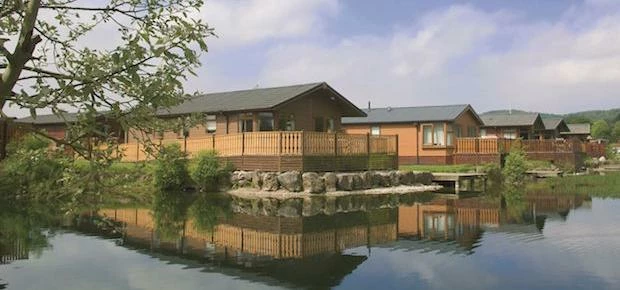
Royal Westmoreland in Barbados is a 750 acre estate made up of newly built villas and a golf course, while Lancashire-based Pure Leisure Group operates within the holiday park market and boasts a portfolio of 11 locations across the UK.
The appointment is a promising start to 2015 and comes on the tail of several client wins last year, including Merlin Entertainments, TJ Hughes and Styles & Wood.
Managing director at theEword, Daniel Nolan, said: “We’re very pleased to have come through a competitive pitch process and been chosen to deliver these campaigns.
“We take an audience-led approach to answering briefs and building insights - and it helped that travel is a passion shared by everyone at theEword.
“We’re excited to take on the challenge of helping to boost online business for both clients and are confident that the campaigns will make a real difference to their bottom lines.”
Head of marketing at Pure Leisure Group, Caroline Farrer, said: “We were really impressed by theEword’s experience within the travel market and their endeavours to understand our aims and objectives right from the start.
“The agency’s digital expertise, combined with commercial awareness, made this an easy appointment to make.”
This was posted in Bdaily's Members' News section by Sophia Taha .
Our Partners




 Why innovation needs more than good ideas
 Is your business using artificial intelligence right?
 Resilience, connection and maximising opportunity
 In pursuit of healthy obsession
 Why the Budget must restore productivity
 What does collaboration really mean in business?
 Why NE6 is the real Northern Powerhouse
 Can you really judge someone by their CV?
 Are you flying too close to business burnout?
 Making education a lot better for a lot more
 Have we made it harder for young people to succeed?
 Celebrating Nissan's North East success story