
Partner Article
Russia's second richest billionaire in North Sea oil fight with government
The UK government has said it will block the sale of 12 North Sea oil and gas fields to a Russian oligarch Mikhail Fridman, Russia’s 2nd richest man worth around $15.6 billion.
According to Forbes he is the 48th richest person in the world. Fridman has threatened legal action against the British government for blocking his acquisition.
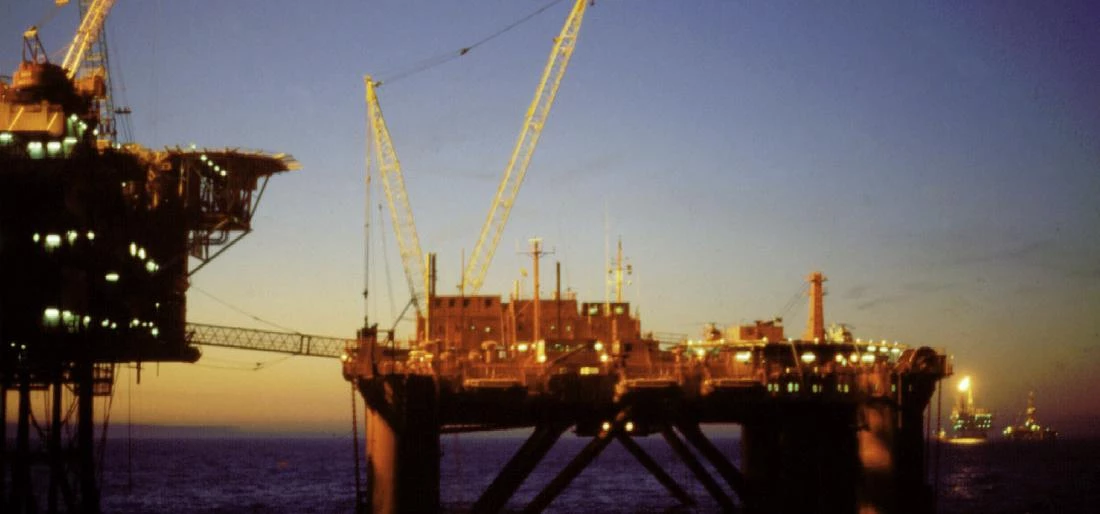
The North Sea assets are owned by German company RWE Dea, which is being sold to a group backed by Russian billionaire Mikhail Fridman, but the Department of Energy said it opposed the deal “in its current form”.
Ed Davey, energy secretary, cited fears over the effect on UK oil and gas production of any tightening of sanctions against Russia
The deal could run counter to sanctions imposed over the crisis in Ukraine, since Mikhail Fridman, of Ukrainian origin, is a potential target for such measures.
The Department of Energy said in a statement it had concerns about the effect of “possible future sanctions” on Mr Fridman and his LetterOne fund.
In response, German power firm RWE, which owns RWE Dea, said the €5 billion (£3.6bn) deal to sell its subsidiary to LetterOne would go ahead as planned on Monday.
As part of the deal, LetterOne is creating a new subsidiary, L1 Energy, to be run by former BP chief executive Lord Browne.
This was posted in Bdaily's Members' News section by Clare Burnett .
Enjoy the read? Get Bdaily delivered.
Sign up to receive our popular morning National email for free.
Our Partners




 Are you flying too close to business burnout?
 Making education a lot better for a lot more
 Have we made it harder for young people to succeed?
 Celebrating Nissan's North East success story
 Are you a meat proxy?
 Engaging the five-generation workplace
 Talent is an asset, not an operational resource
 Taking advantage of the opportunities ahead
 Accountability isn’t the enemy of empathy
 Act now to avoid a last-minute tax scramble
 How inner-city living can transform a city by the sea
 Artificial intelligence's value is the time it gives back