
Partner Article
Regus Survey Shows Commuting Costs Continue to Climb
Almost a third of UK workers now spend over 5% of their salary on commuting
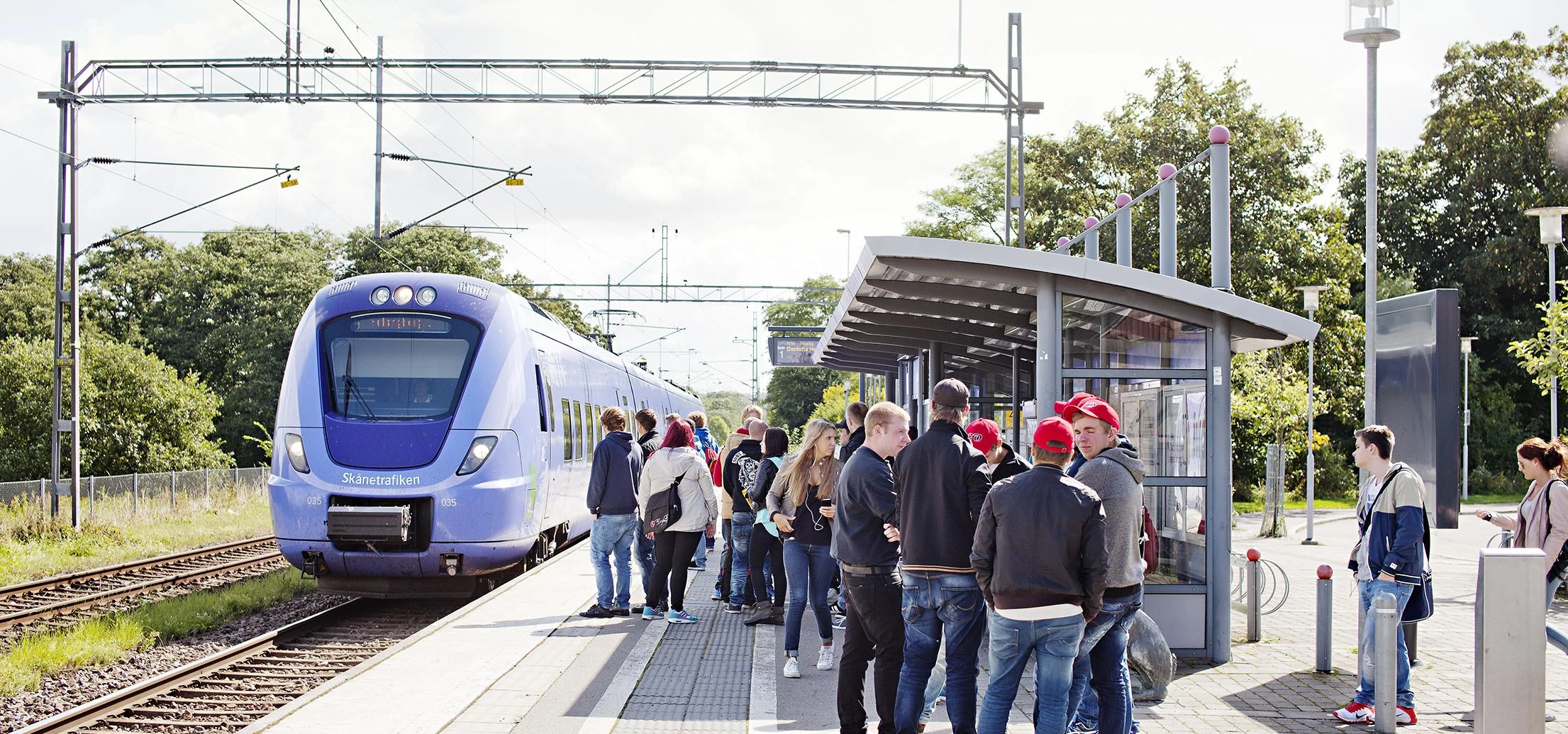
UK workers are battling with increasing commuting costs according to a survey of over 4,000 senior business people across the UK by the world’s largest workplace provider, Regus.
With train fares and petrol costs continuing to rise, the results show that nearly a third (29%) pay out more than 5% of their salary on commuting.
The average proportion of pay spent on commuting by UK workers is now 4%, a rise from 3% in 2010.
For 11% of respondents the daily commute costs them over a tenth of their monthly pay packet.
Commuting costs are contributing to a rise in the number of UK professionals looking to work flexibly. Business centres offer a professional, convenient alternative for those looking to avoid long, expensive, and sometimes difficult, journeys into the office.
Richard Morris, UK CEO, Regus comments: “Businesses that want to retain and attract top talent cannot fail to address the issue of the costly commute.
“Flexible working can provide a solution. By offering their employees the opportunity to work closer to home at least some of the time, our customers have not only improved staff loyalty but also seen an impact on productivity. Staff that spend less time stuck in traffic jams or on crowded trains have more time to apply themselves to the job in hand.”
This was posted in Bdaily's Members' News section by Biz Now .
Enjoy the read? Get Bdaily delivered.
Sign up to receive our popular morning National email for free.
Our Partners




 Are you flying too close to business burnout?
 Making education a lot better for a lot more
 Have we made it harder for young people to succeed?
 Celebrating Nissan's North East success story
 Are you a meat proxy?
 Engaging the five-generation workplace
 Talent is an asset, not an operational resource
 Taking advantage of the opportunities ahead
 Accountability isn’t the enemy of empathy
 Act now to avoid a last-minute tax scramble
 How inner-city living can transform a city by the sea
 Artificial intelligence's value is the time it gives back