
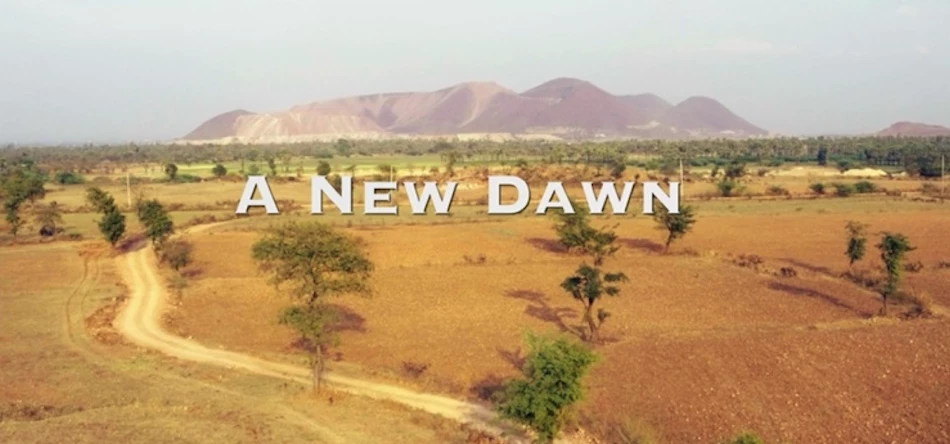
It’s ‘A New Dawn’ for Myanmar
On April 1st 2016 Myanmar elected its first civilian President, Htin Kyaw, after 50 years of military rule. Also making historic changes in the region is Myanmar Wanbao, a mining company who were forced to stop construction in 2012 following protests from the local community.
For the first time in history a Chinese company sought help in the form of British risk management advisory company China-I, and Myanmar Wanbao began to work with the local community to improve conditions for all those involved. A 10-minute documentary on the story can be viewed here and it goes in to great detail of the people who have been affected.
The amount of changes occurring in the area over recent years is impressive. Myanmar Wanbao have worked to build schools and hospitals in the area, as well as contributed funds towards villagers so they can continue with their daily lives. Perspectives are certainly changing for all those involved.
The entire situation escalated during the protests in 2012, with protests lasting for several days. Daw Aung San Suu Kyi was tasked with chairing an investigation commission, concluding with recommendations that the mine should continue, given that it adheres to certain criteria.
The following years proved that once a major company and a local community begin to work together, great changes can occur, making for a better tomorrow. Watch the documentary on YouTube and see the changes for yourself.
This was posted in Bdaily's Members' News section by Business Updates .
Our Partners




 Are you flying too close to business burnout?
 Making education a lot better for a lot more
 Have we made it harder for young people to succeed?
 Celebrating Nissan's North East success story
 Are you a meat proxy?
 Engaging the five-generation workplace
 Talent is an asset, not an operational resource
 Taking advantage of the opportunities ahead
 Accountability isn’t the enemy of empathy
 Act now to avoid a last-minute tax scramble
 How inner-city living can transform a city by the sea
 Artificial intelligence's value is the time it gives back