Partner Article
PM Theresa May to consult UK SMEs over Brexit opportunities
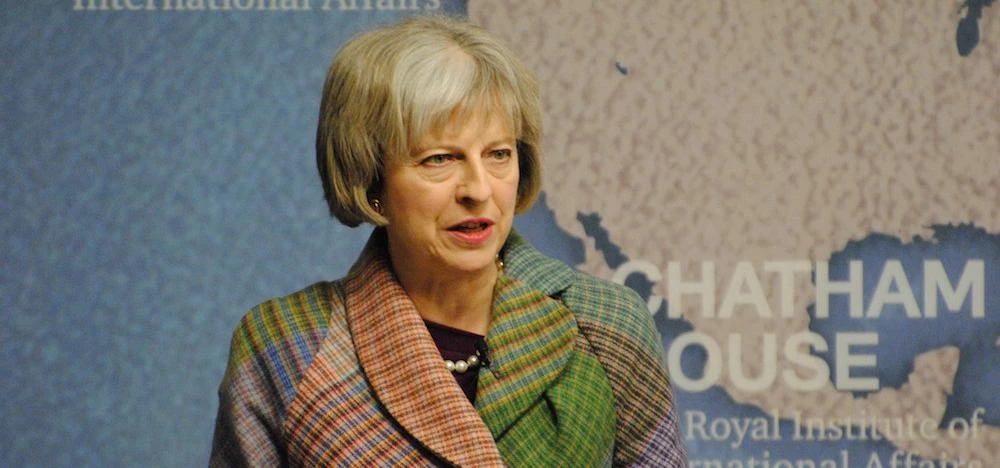
Prime Minister Theresa May has today described the UK’s SMEs as the ‘backbone’ of the country’s economy ahead of a meeting with small business representatives canvass opinions about how to go about creating a more productive and higher skilled economy.
The meeting at Downing Street today will bring together representatives from across the SME community, along with trade associations like FSB, the Local Enterprise Partnership Network and others, to look at ways in which smaller firms can contribute to May’s new industrial strategy.
In a statement released prior to today’s roundtable, May has outlined how she wishes to create an economy that benefits all, from SMEs to larger firms, and that the nation’s startups, small enterprises and family-run businesses all have a part to play in a prosperous UK.
May said: “From dynamic start-ups to established family firms, our small and medium sized businesses are the backbone of our country.
“I want to build an economy that works for all, and that means working with, and listening to, smaller firms. The priorities I have set: a more productive, skilled workforce, an economy balanced across the UK and open to new opportunities, can only be achieved if we listen to these businesses.”
The Prime Minister also outlined that the roundtable would be a chance to discuss ways in which small businesses can benefit from the opportunities provided by Brexit, in particular any new export opportunities that may arise as the country strikes new trade deals following EU renegotiations.
She added: “I also want those firms, across all the sectors of our economy, to be able to take advantage of the opportunities presented by Brexit, such as exporting to new destinations. So I’ll be asking them for their views on we get our whole economy firing ahead of Brexit.”
Since assuming office, the new Prime Minister has attempted to differentiate herself from her predecessor David Cameron by striking a more ecumenical tone, making efforts to move away from the former Government’s courting of global giants like Google and professing a desire to ensure the benefits of economic prosperity are shared equally.
Similarly, while George Osborne’s final Budget contained a few sweeteners for the UK’s small businesses, the former Chancellor faced continued criticisms that he was not doing enough to support the small and medium sized businesses across the country.
In a move that seems designed to knit these two threads together, May went on to outline her vision of Britain’s 5.4m small and medium sized businesses as underpinning the strength of the economy, describing them as a ‘fundamental part’ of her vision to build a country ‘that works for everyone, not just the privileged few’.
Want your business, product or service to be seen regionally and nationally? Bdaily helps you get your story in front of the right audience, every day. Find out how Bdaily can help →
Join more than 55,000 subscribers by signing up to our daily bulletin each morning here.
Enjoy the read? Get Bdaily delivered.
Sign up to receive our popular morning National email for free.
Our Partners




 Are you flying too close to business burnout?
 Making education a lot better for a lot more
 Have we made it harder for young people to succeed?
 Celebrating Nissan's North East success story
 Are you a meat proxy?
 Engaging the five-generation workplace
 Talent is an asset, not an operational resource
 Taking advantage of the opportunities ahead
 Accountability isn’t the enemy of empathy
 Act now to avoid a last-minute tax scramble
 How inner-city living can transform a city by the sea
 Artificial intelligence's value is the time it gives back