
Partner Article
Balsam pulling at Beltingham
Thank you to ten staff from Siemens PLC’s Power Generation Services Division who swapped the indoors for the outdoors at the end of August and headed up to our Beltingham River Gravels reserve, south of Bardon Mill.
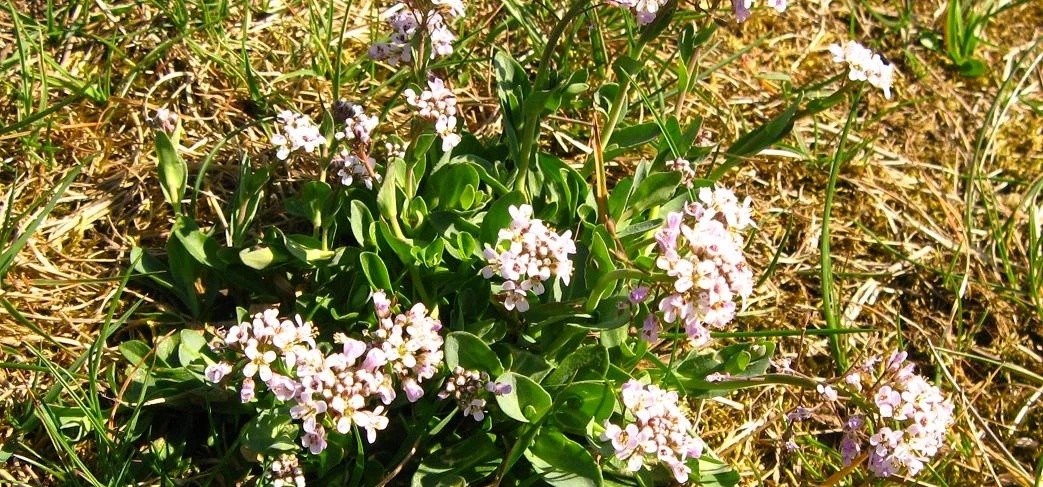
The group, which is usually based on the Cobalt Business Park in North Shields, spent the day in glorious sunshine removing Himalayan balsam from the site which is designated a Site of Specific Scientific Interest for the unusual plants it supports including thrift, alpine penny-cress, mountain pansy and dune helliborine.
Himalayan balsam is a problem because of its exploding seed pods with each plant producing around 800 seeds and the exploding pods spreading them up to 7m. When the balsam dies back in winter it leaves large areas of exposed soil with minimal root structure holding it together, which, on river banks such as our Beltingham reserves can lead to erosion.
This was posted in Bdaily's Members' News section by Sue Bishop .
Enjoy the read? Get Bdaily delivered.
Sign up to receive our daily bulletin, sent to your inbox, for free.
Our Partners







 Have we made it harder for young people to succeed?
 Celebrating Nissan's North East success story
 Are you a meat proxy?
 Engaging the five-generation workplace
 Talent is an asset, not an operational resource
 Taking advantage of the opportunities ahead
 Accountability isn’t the enemy of empathy
 Act now to avoid a last-minute tax scramble
 How inner-city living can transform a city by the sea
 Artificial intelligence's value is the time it gives back
 Why we must break the magnetic pull of London
 AI scepticism is healthy - inaction isn't