
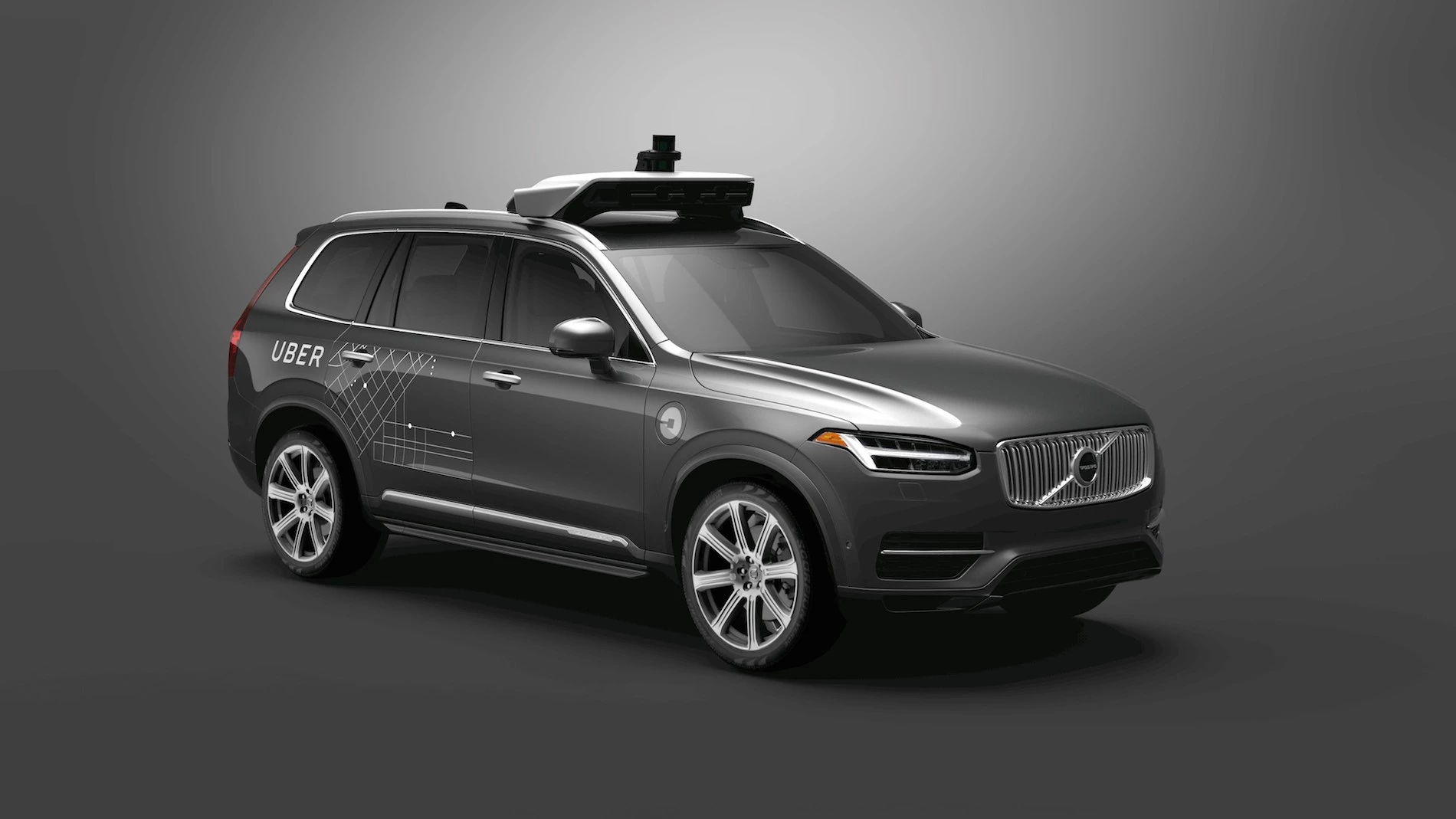
Uber set to acquire 24,000 driverless cars from Volvo
Uber has agreed to buy tens of thousand of self-driving vehicles from Volvo between 2019 and 2021.
This non-exclusive agreement will see Volvo provide Uber with up to 24,000 of its flagship XC90 SUVs, which are autonomous driving-compatible base vehicles.
The vehicles incorporate all the necessary safety, redundancy and core autonomous-driving technologies that are required for Uber to add its own self-driving technology.
Last year, Uber commenced testing prototypes made by Volvo in the US.
Håkan Samuelsson, president and chief executive of Volvo Cars, said: “The automotive industry is being disrupted by technology, and Volvo Cars chooses to be an active part of that disruption.
“Our aim is to be the supplier of choice for AD ride-sharing service providers globally. Today’s agreement with Uber is a primary example of that strategic direction.”
Jeff Miller, head of auto alliances at Uber, added: “We’re thrilled to expand our partnership with Volvo. This new agreement puts us on a path towards mass-produced self-driving vehicles at scale.”
At the same time as providing Uber with AD-compatible cars, Volvo will use the same base vehicle in the development of its own independent autonomous-car strategy, which will see the release of its first fully autonomous car in 2021.
Want your business, product or service to be seen regionally and nationally? Bdaily helps you get your story in front of the right audience, every day. Find out how Bdaily can help →
Join more than 55,000 subscribers by signing up to our daily bulletin each morning here.
Enjoy the read? Get Bdaily delivered.
Sign up to receive our popular morning National email for free.
Our Partners




 Why innovation needs more than good ideas
 Is your business using artificial intelligence right?
 Resilience, connection and maximising opportunity
 In pursuit of healthy obsession
 Why the Budget must restore productivity
 What does collaboration really mean in business?
 Why NE6 is the real Northern Powerhouse
 Can you really judge someone by their CV?
 Are you flying too close to business burnout?
 Making education a lot better for a lot more
 Have we made it harder for young people to succeed?
 Celebrating Nissan's North East success story