
Partner Article
Why a 'rubbish' approach to development could be key
Tamsin Harrison, MD of Heartland Group, shares her tips for how to be more resourceful with development, via a famously ’rubbish’ adage.
Reduce
To the untrained eye there seems to be a never-ending battle waging between developers who want to expand as much as possible and environmental protestors who want to protect green belt land.
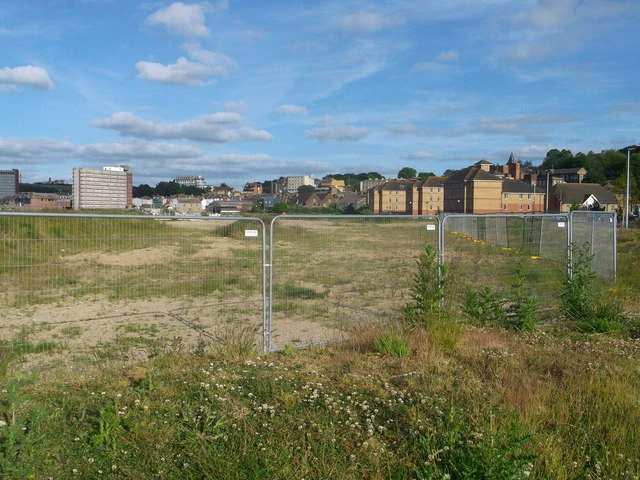
Whilst the reality is a little more complicated, for many projects smarter planning means it’s a battle that may not need to be fought at all. Instead of looking to bring projects to green belt sites, developers could look to repurpose existing sites.
Reuse
Upcycling has moved from fashionable pastime to almost essential life skill. Reusing previously developed land can carry many of the same benefits, from an established infrastructure to additional grant funding options to the pride in seeing a decrepit structure made useful once more, turning old into new has never had so much potential.
Recycle
A little harder to achieve in development (although recyclable building products have never been more varied!) When looking to start a new project it’s tempting to want a fresh, blank canvas to work with but, working with a planning consultant can mean achieving the same results and vision through smart recycling of existing assets, leading to cost savings and/or even improved profit margins on the final project.
This was posted in Bdaily's Members' News section by Heart Land Group Ltd .
Enjoy the read? Get Bdaily delivered.
Sign up to receive our popular morning National email for free.
Our Partners




 Budget must replace pessimism with productivity
 What does collaboration really mean in business?
 Why NE6 is the real Northern Powerhouse
 Can you really judge someone by their CV?
 Are you flying too close to business burnout?
 Making education a lot better for a lot more
 Have we made it harder for young people to succeed?
 Celebrating Nissan's North East success story
 Are you a meat proxy?
 Engaging the five-generation workplace
 Talent is an asset, not an operational resource
 Taking advantage of the opportunities ahead