
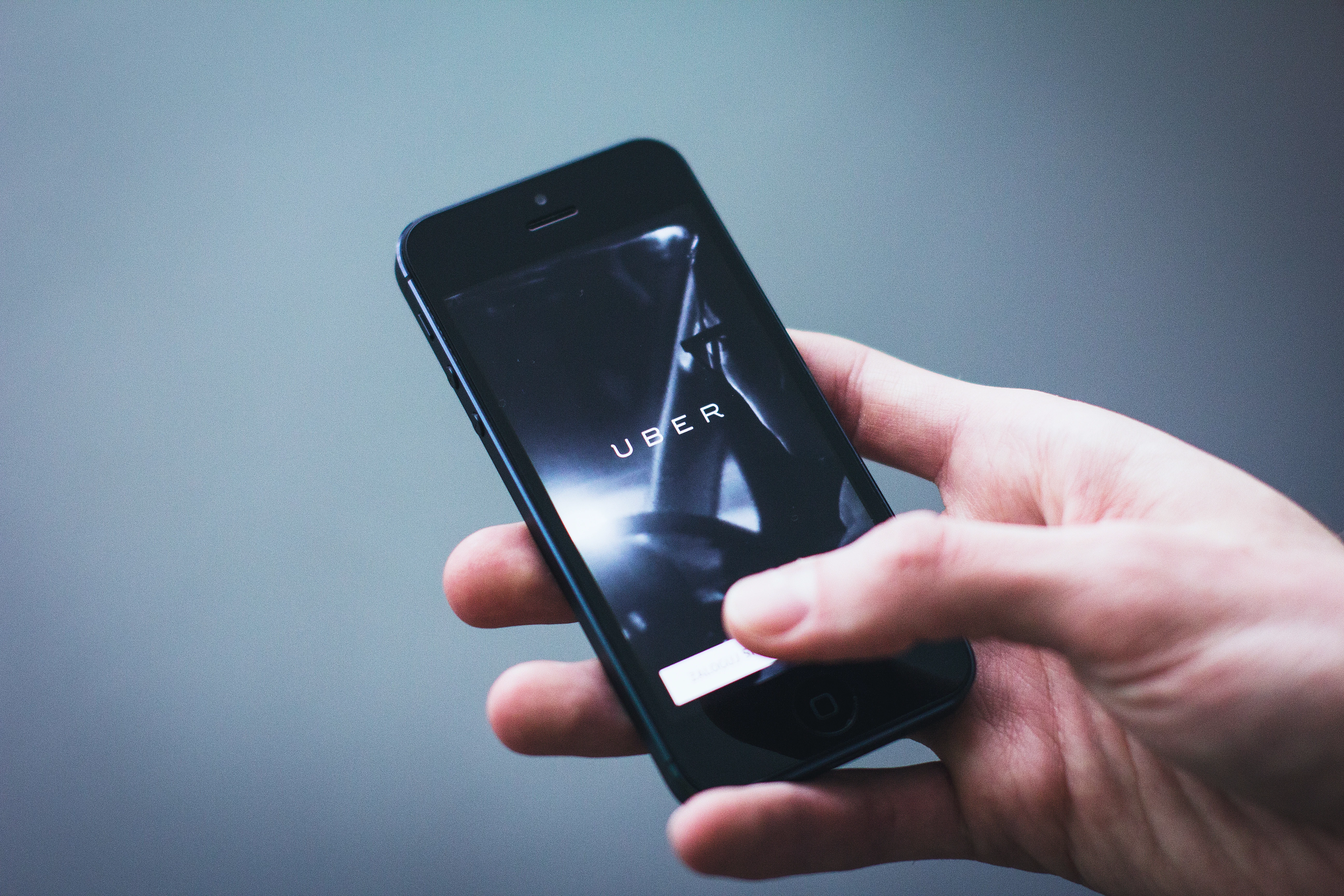
Transport giant Uber reveals 'substantial' lack of growth and net losses
Published yesterday (August 15), findings show that Uber has narrowed its losses in Q2 of the year, however remains far from making a substantial profit.
The transport firm revealed a £702m net loss for three months to June 30, and financial growth slowed, too - all while the company is still facing constant regulatory scrutiny.
Therefore, time is ticking for the company to become more profitable for 2019. Uber said that the net revenue - what is issued to pay its drivers - was around £2.2bn in that quarter.
Although that has gone up by more than 50 per cent compared to 2017, the company has generally slowed down from the 67 per cent seen in Q1.
Uber’s CEO, Dara Khosrowshahi has said the company is investing in other projects like Uber Eats and electric scooters and bikes.
Khosrowshahi began at Uber in 2017 when the company’s image was tainted due to a sexual harassment scandal.
Regulatory pressure also threatens to hinder growth in major markets.
Despite this, the transport giant was most recently valued at around £56bn, making it one of the most valuable privately held firms in the world.
Want your business, product or service to be seen regionally and nationally? Bdaily helps you get your story in front of the right audience, every day. Find out how Bdaily can help →
Join more than 55,000 subscribers by signing up to our daily bulletin each morning here.
Enjoy the read? Get Bdaily delivered.
Sign up to receive our popular morning National email for free.
Our Partners




 Can you really judge someone by their CV?
 Are you flying too close to business burnout?
 Making education a lot better for a lot more
 Have we made it harder for young people to succeed?
 Celebrating Nissan's North East success story
 Are you a meat proxy?
 Engaging the five-generation workplace
 Talent is an asset, not an operational resource
 Taking advantage of the opportunities ahead
 Accountability isn’t the enemy of empathy
 Act now to avoid a last-minute tax scramble
 How inner-city living can transform a city by the sea