
Partner Article
Taste of the sea keeps cows' health ship-shape
A TASTE of the ocean is being offered to organic cows to keep their health ship-shape and free from antibiotics.
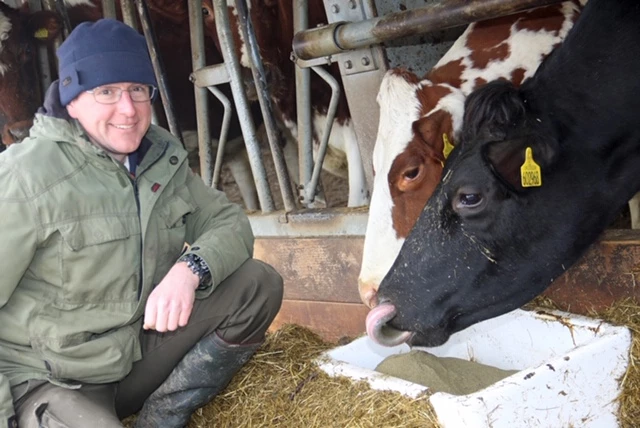
The 500-strong herd at Acorn Dairy is having its already rich diet further enhanced with the addition of seaweed as a means to introduce vital trace elements to their winter diet.
The Darlington dairy supplies organic milk to doorsteps, supermarkets, schools, cafes, hotels and restaurants across the North East and North Yorkshire.
In the spring and summer the short-horns graze on nutrient-filled grass grown free from any added chemicals. Research has shown organic milk to be much richer in antioxidants, healthy fatty acids and Omega 3 as a result of the herd feeding on grass and clover.
In the winter stock can miss out on certain nutrients if they are simply fed silage, so Acorn Dairy has come up with the perfect diet which now includes seaweed, renowned for its iodine content, to boost cows’ immune systems.
Kept indoors during the winter, the cows are given a rich mix of feed which includes organic silage made from five different rye grasses and four types of clover, apple cider, Himalayan rock salt, chicory, plantain, whole crop barley, pea silage, fodder beets and ground maize.
Acorn cows can graze 24 hours a day on the feed in stock sheds that also feature automatic grooming brushes and memory foam mattresses.
Dairy owner Graham Tweddle said: “The aim is to keep the livestock happy and healthy so they don’t fall ill and require antibiotics. If antibiotics have to be used then the cow has to be taken out of milk production for six days until the drugs are out of its system.
“The feed is expensive but the cows love it and it certainly boosts their immune systems. Their milk then benefits customers by being higher in antioxidants and iodine which helps brain development.”
Acorn, which became organic more than a decade ago, enjoys an enviable reputation for conservation, compassion and commercial enterprise.
“We also demand less from our cows, who each produce 6,500 litres of milk a year compared to traditional levels of up to 10,000 litres,” added Graham.
This was posted in Bdaily's Members' News section by Sarah French .
Enjoy the read? Get Bdaily delivered.
Sign up to receive our daily bulletin, sent to your inbox, for free.
Our Partners




 Budget must replace pessimism with productivity
 What does collaboration really mean in business?
 Why NE6 is the real Northern Powerhouse
 Can you really judge someone by their CV?
 Are you flying too close to business burnout?
 Making education a lot better for a lot more
 Have we made it harder for young people to succeed?
 Celebrating Nissan's North East success story
 Are you a meat proxy?
 Engaging the five-generation workplace
 Talent is an asset, not an operational resource
 Taking advantage of the opportunities ahead