
Partner Article
Flowbird Technology Supports Sydney Metro Launch
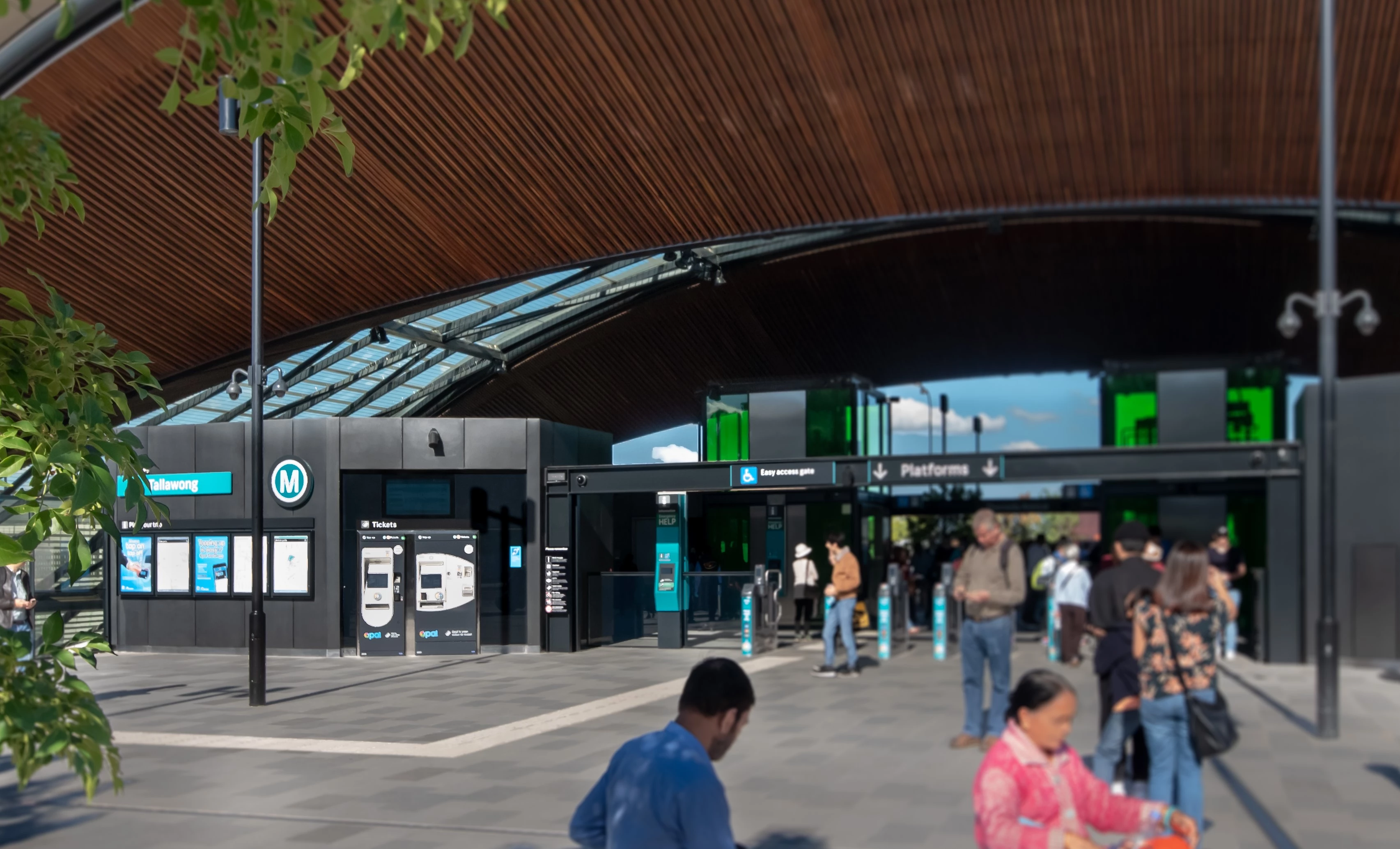
Flowbird Transport Intelligence, specialists in smart city transportation, is providing ticketing technology for Sydney Metro - Australia’s most advanced railway.
The company’s self-service retailing systems have been installed across the new North West Metro line in Sydney, Australia, bringing the total number of Flowbird ticketing terminals serving the city’s multimodal transport network to more than 290.
The 36km-long Northwest line is the first fully automated driverless metro system in the country, stretching from Rouse Hill to Chatswood, with 13 stops (including five upgraded stations) and a train depot. By 2024, Sydney Metro will comprise 31 stations over a 66km network.
“The driverless trains operate with high frequency and will eventually carry around 40,000 people every hour, so speed of passenger throughput is vital,” said David Thompson, Flowbird’s General Manager, APAC, based in Sydney.
“Our retailing kiosks will provide fast and easy access to single-use tickets and also enable the top up of Opal smartcards, via cash and contactless payment methods, to support travel across Sydney’s train, light rail, ferry and now metro services.”
Opal is the contactless fare collection system for public transport services in the greater Sydney area, and is managed by Transport for New South Wales. In addition to the new metro services, it enables subscribers to access a network comprising 308 overground train stations, more than 5,000 buses, 40 ferry wharves and 23 light rail stops.
This was posted in Bdaily's Members' News section by Colin Bridgman .
Enjoy the read? Get Bdaily delivered.
Sign up to receive our popular morning National email for free.
Our Partners




 Resilience, connection and maximising opportunity
 In pursuit of healthy obsession
 Why the Budget must restore productivity
 What does collaboration really mean in business?
 Why NE6 is the real Northern Powerhouse
 Can you really judge someone by their CV?
 Are you flying too close to business burnout?
 Making education a lot better for a lot more
 Have we made it harder for young people to succeed?
 Celebrating Nissan's North East success story
 Are you a meat proxy?
 Engaging the five-generation workplace