
Partner Article
Energy Assets launches SMETS2 smart meter installation programme for small businesses
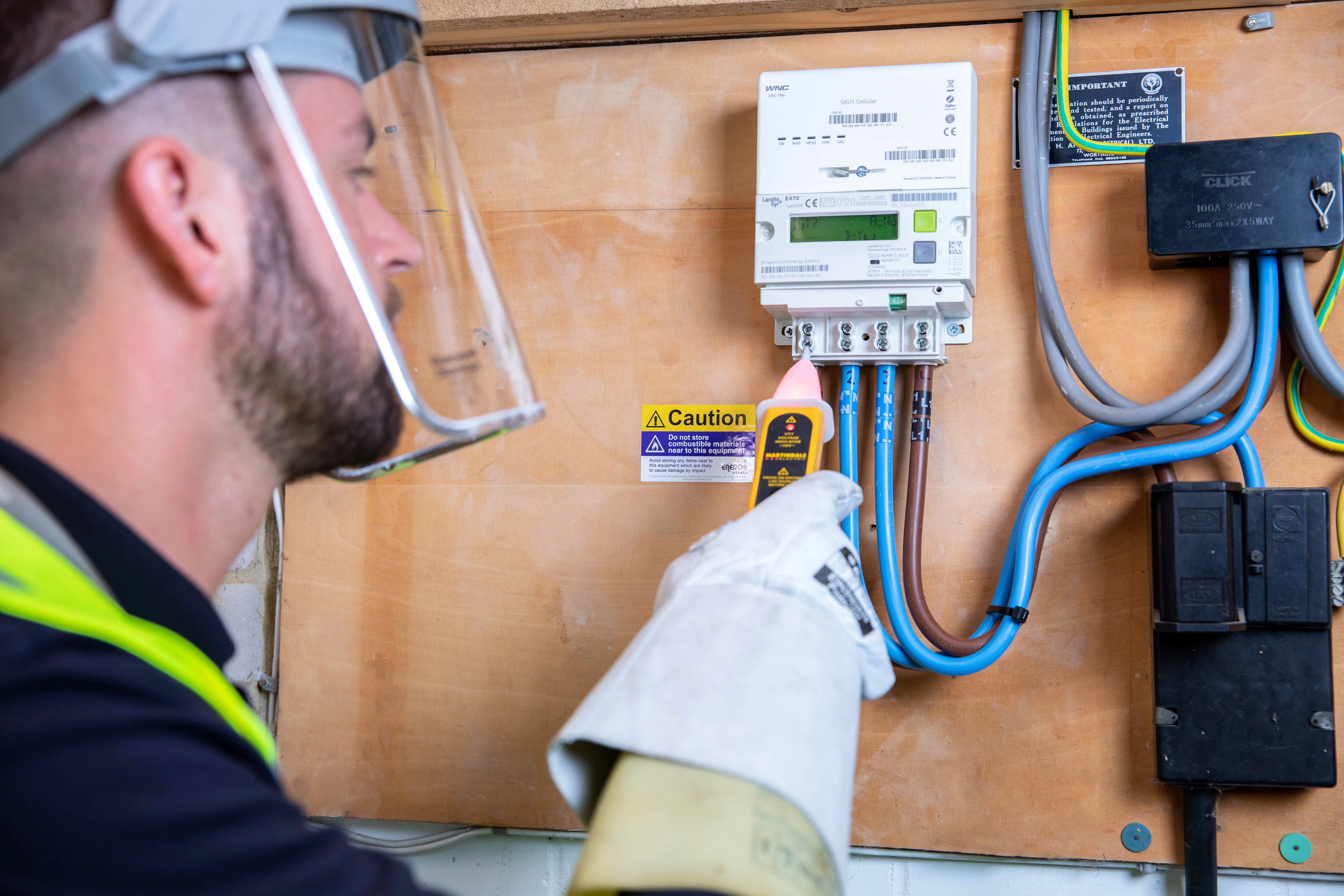
Energy Assets, one of Britain’s leading industrial and commercial energy services companies, is ready to bring the benefits of latest generation smart metering (SMETS2) to micro businesses up and down the country.
The company, which specialises in advanced industrial and commercial metering, is now accredited by the Data and Communications Company (DCC) to help energy suppliers target non-domestic sites still eligible for smart meters.
The move coincides with a government impetus to promote the benefits of the technology to this business group following the launch of the new SMETS2 meters, which benefit from improved data and communication systems.
“A survey undertaken last year by Smart Energy GB indicated that seven in 10 of all eligible micro businesses were unaware that smart meters could be deployed for business use – and as a result they hadn’t even considered the potential benefits the technology might bring,” said Stewart Love, Group Commercial Director at Energy Assets.
“Our strong track record in industrial and commercial metering means our engineers are used to working with businesses to minimise disruption and tackle any technical complexity, so we have invested in a specialist team to work with energy suppliers to increase commercial smart metering awareness and uptake in micro-businesses.”
This was posted in Bdaily's Members' News section by Colin Bridgman .
Enjoy the read? Get Bdaily delivered.
Sign up to receive our popular morning National email for free.
Our Partners




 Resilience, connection and maximising opportunity
 In pursuit of healthy obsession
 Why the Budget must restore productivity
 What does collaboration really mean in business?
 Why NE6 is the real Northern Powerhouse
 Can you really judge someone by their CV?
 Are you flying too close to business burnout?
 Making education a lot better for a lot more
 Have we made it harder for young people to succeed?
 Celebrating Nissan's North East success story
 Are you a meat proxy?
 Engaging the five-generation workplace