
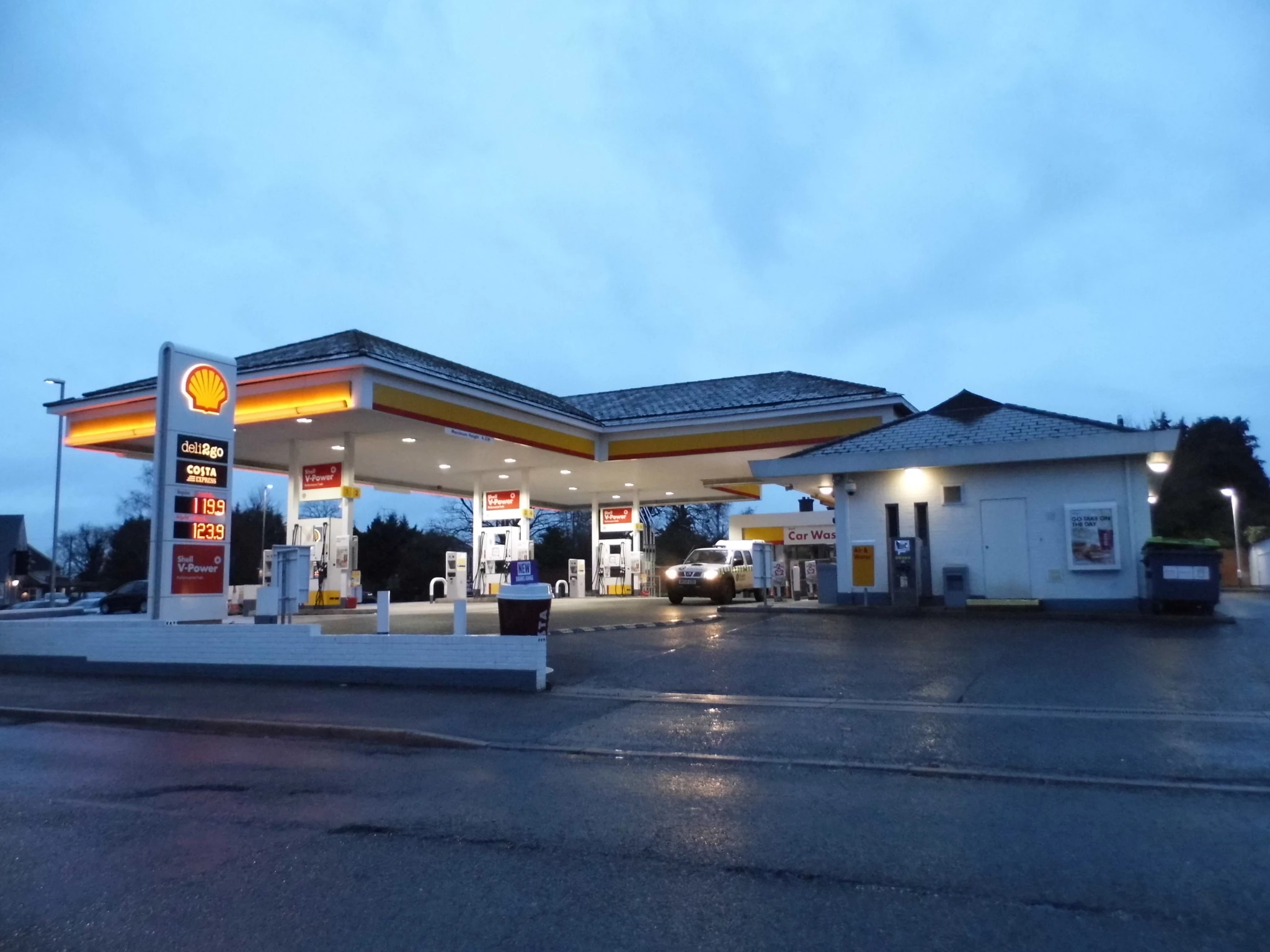
Shell targets 50 per cent emission reduction by 2030
Royal Dutch Shell plc (Shell) announced an absolute emissions reduction target of 50% by 2030, compared to 2016 levels on a net basis.
This covers all scope 1 and 2 emissions under Shell’s operational control and is another strategic milestone on the company’s path to becoming a net-zero emissions energy business by 2050, in step with global expectations.
The oil and gas company’s Powering Progress strategy, announced in February 2021, provides the capital expenditure and financial return profile outlook for each of Shell’s businesses and the Group.
A statement issued by Shell noted: “It is also an important step as we rise to meet the challenge of the Dutch Court’s ruling for our scope 1 and 2 emissions, which Shell expects to meet by 2030.
“Our 2022 business plan will reflect this new target, which we are committed to delivering regardless of whether we win or lose our appeal against the ruling.”
Shell also committed to bringing forward its target to eliminate routine gas flaring from its Upstream operated assets from 2030 to 2025.
The company’s statement continued: “There is no material change expected in these profiles, as the strategy provides the levers necessary to achieve the targets announced today. Any further updates will be provided as part of our Energy Transition Strategy update at the AGM.”
Want your business, product or service to be seen regionally and nationally? Bdaily helps you get your story in front of the right audience, every day. Find out how Bdaily can help →
Join more than 55,000 subscribers by signing up to our daily bulletin each morning here.
Enjoy the read? Get Bdaily delivered.
Sign up to receive our popular morning National email for free.
Our Partners




 Why innovation needs more than good ideas
 Is your business using artificial intelligence right?
 Resilience, connection and maximising opportunity
 In pursuit of healthy obsession
 Why the Budget must restore productivity
 What does collaboration really mean in business?
 Why NE6 is the real Northern Powerhouse
 Can you really judge someone by their CV?
 Are you flying too close to business burnout?
 Making education a lot better for a lot more
 Have we made it harder for young people to succeed?
 Celebrating Nissan's North East success story