
Partner Article
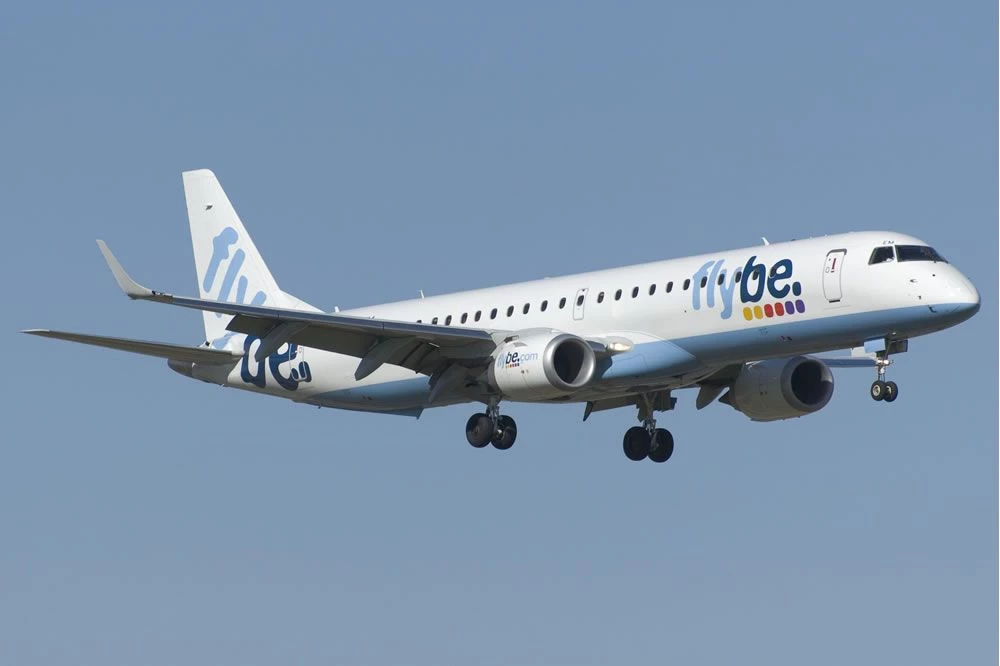
Flybe to cut 300 jobs
Airline Flybe are expecting to cut around 300 jobs as part of plan to return to profitability.
The carrier cited the “brutal impact” of Air Passenger Duty rises and declining domestic traffic as factors behind the plan.
Flybe said there would be no change to their current route, although outsourcing would lead to cutting approximately 10% of its current UK workforce.
Redundancies are expected at the airline’s Exeter HQ, Manchester and Newcastle.
Chief Executive Jim French said: “Today’s restructuring plan for the airline has clear, two year profit targets which we believe are deliverable and realistic. A new, slimline business model for UK scheduled services underpins a turnaround which I expect will deliver a £3.00 per seat profit target in the medium term. Today’s announcement of a turnaround strategy for the UK business is a clear indication that Flybe has a plan not only to address the challenges we face, but also one to exploit the opportunities available, particularly in Europe.
“There is no escape from the £68m per annum APD tax burden which Flybe has to pay as a result of increases successive governments have levied on the industry.
“Flybe now pays more than 18% of our ticket revenues to the government in APD, whilst other UK based carriers who operate a greater proportion of their business outside of the UK pay less than 6%.”
This was posted in Bdaily's Members' News section by Tom Keighley .
Enjoy the read? Get Bdaily delivered.
Sign up to receive our popular morning National email for free.
Our Partners




 What does collaboration really mean in business?
 Why NE6 is the real Northern Powerhouse
 Can you really judge someone by their CV?
 Are you flying too close to business burnout?
 Making education a lot better for a lot more
 Have we made it harder for young people to succeed?
 Celebrating Nissan's North East success story
 Are you a meat proxy?
 Engaging the five-generation workplace
 Talent is an asset, not an operational resource
 Taking advantage of the opportunities ahead
 Accountability isn’t the enemy of empathy