
Partner Article
UK challenger bank Metro Bank in £11m loss but posts strong customer growth in first ever results
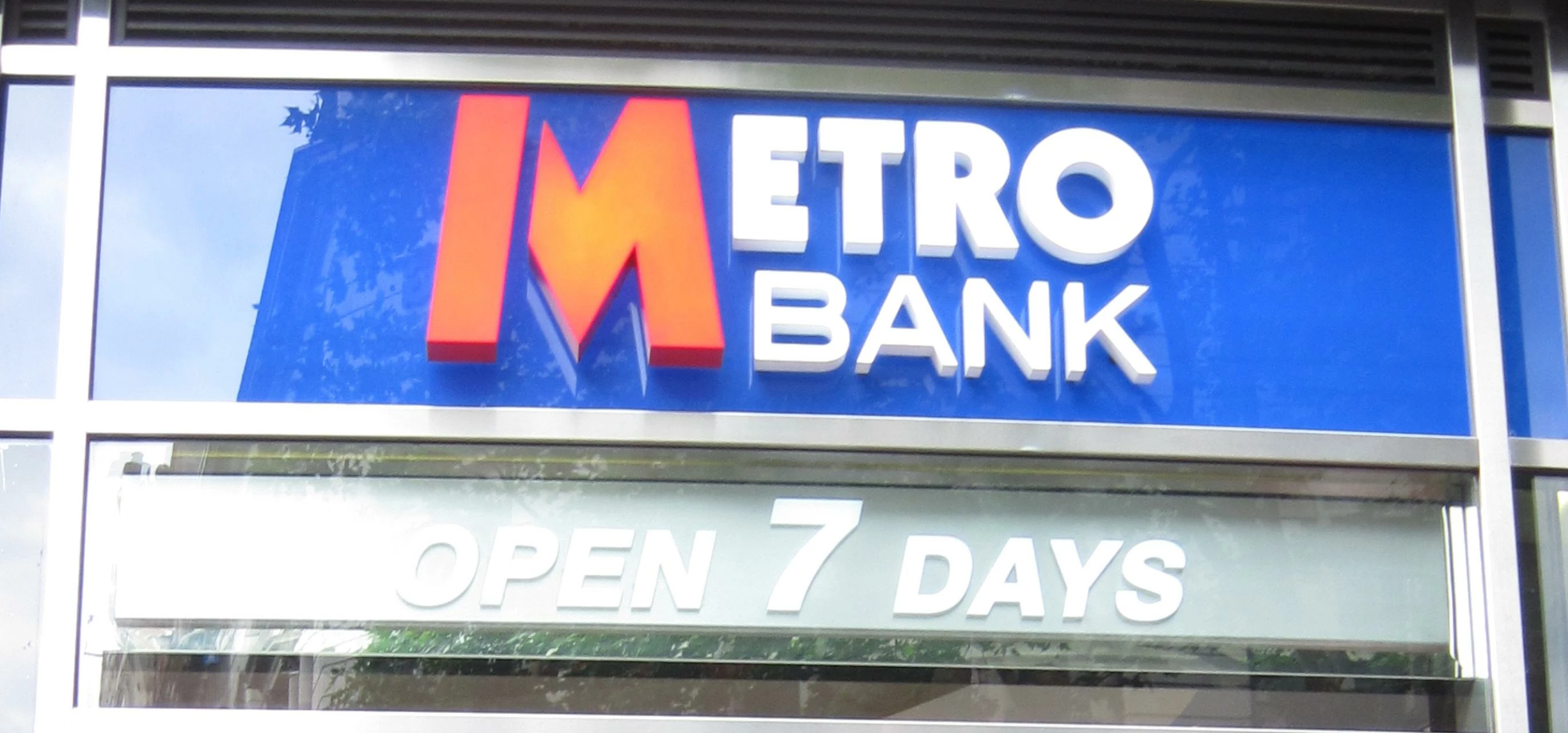
London-based challenger bank Metro Bank has posted a £11.1m loss after tax in its first set of results since floating on the stock exchange last March.
However, the bank, which was the UK’s first new high street bank in over 100 years, still enjoyed strong growth across the board with revenues, deposits and customer numbers all rising, as it continues to move towards profitability.
In particular, Metro saw new customer acquisition jump by 45% year-on-year, rising to 655,000 customers and adding an extra 62,000 new accounts in the quarter between 31 December 2015 and 31 March 2016 alone.
The bank also saw net lending rise by an impressive 125% to £4.1bn with particularly strong growth in both residential mortgages and commercial lending.
Metro Bank is one of the most recognisable ‘challenger’ banks, created in the wake of the financial crisis which attempt to weaken the stranglehold of the big four, which includes Barclays, Lloyds, RBS and HSBC, on the UK market.
Commenting on the first set of results, Vernon Hill, Chairman and Founder of Metro Bank said: “We continue to create a banking revolution by building Metro Bank into a major banking force in the UK.
“Our constant focus on customer service and convenience across all our channels, supported by our flexible IT and powerful AMAZE culture, continues to differentiate us, and provide a compelling competitive advantage in the UK market.
“Every day we welcome new customers into our stores and make them Fans with our exceptional customer service.”
Want your business, product or service to be seen regionally and nationally? Bdaily helps you get your story in front of the right audience, every day. Find out how Bdaily can help →
Join more than 55,000 subscribers by signing up to our daily bulletin each morning here.
Enjoy the read? Get Bdaily delivered.
Sign up to receive our popular morning London email for free.
Our Partners




 Can you really judge someone by their CV?
 Are you flying too close to business burnout?
 Making education a lot better for a lot more
 Have we made it harder for young people to succeed?
 Celebrating Nissan's North East success story
 Are you a meat proxy?
 Engaging the five-generation workplace
 Talent is an asset, not an operational resource
 Taking advantage of the opportunities ahead
 Accountability isn’t the enemy of empathy
 Act now to avoid a last-minute tax scramble
 How inner-city living can transform a city by the sea