
Partner Article
Changing attitudes as number of company insolvencies falls
CHANGING attitudes to financial problems could be responsible the continuing fall in the number of companies facing liquidation says one of Sheffield’s leading insolvency experts.
Latest statistics show that there was a 3.6 per cent decrease in company insolvencies in the first quarter of 2016 as compared to the same period last year.
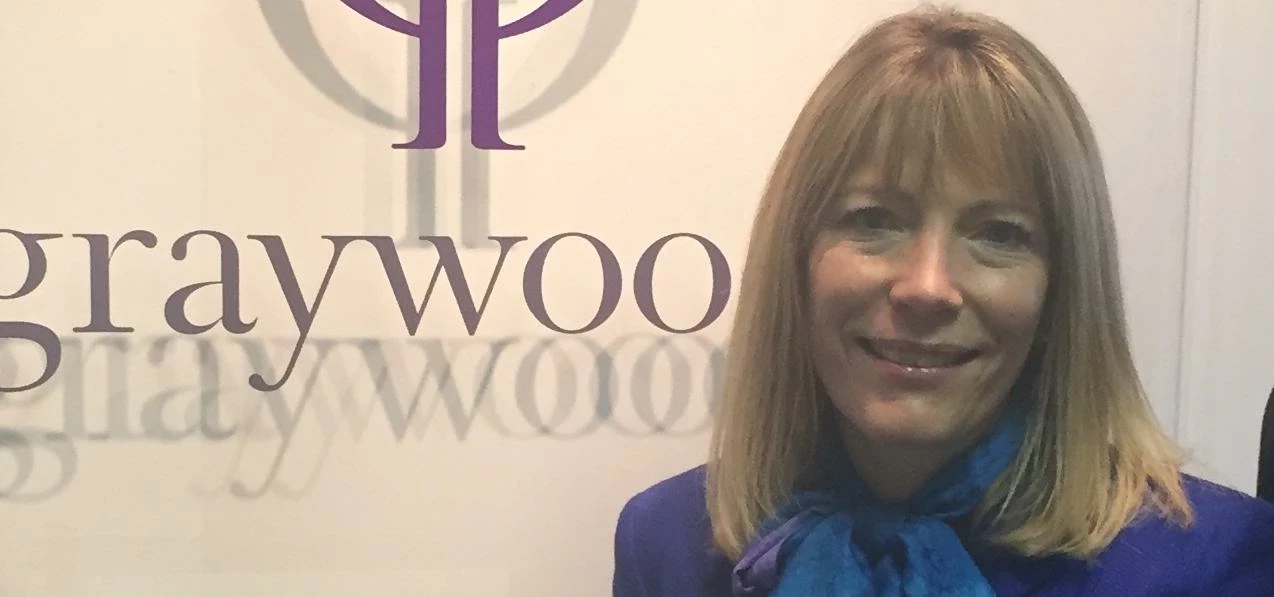
And Deborah Lockwood, a partner in leading Sheffield insolvency and recovery practice Graywoods, says the figures continue a general downward trend that goes back as far as 2009.
“What these figures probably show is that companies are finally starting to seek professional advice much earlier and are, therefore, avoiding insolvency,” she said.
She added that the statistics also demonstrated a changing attitude towards insolvency.
“Before 2008 and the start of the recession people felt humiliated at the idea of insolvency and buried their heads in the sand - and many people still do,” she said.
“But directors are increasingly prepared to seek advice and talk about the issues they are facing, which increases the options available to them to support them through their difficulties.
“By talking earlier they don’t dig such a big hole for themselves or burn every boat.
“But of course, it isn’t good enough to seek advice - you do then have to respond and act on it.”
This was posted in Bdaily's Members' News section by John Highfield .
Enjoy the read? Get Bdaily delivered.
Sign up to receive our popular morning National email for free.
Our Partners




 Resilience, connection and maximising opportunity
 In pursuit of healthy obsession
 Why the Budget must restore productivity
 What does collaboration really mean in business?
 Why NE6 is the real Northern Powerhouse
 Can you really judge someone by their CV?
 Are you flying too close to business burnout?
 Making education a lot better for a lot more
 Have we made it harder for young people to succeed?
 Celebrating Nissan's North East success story
 Are you a meat proxy?
 Engaging the five-generation workplace