
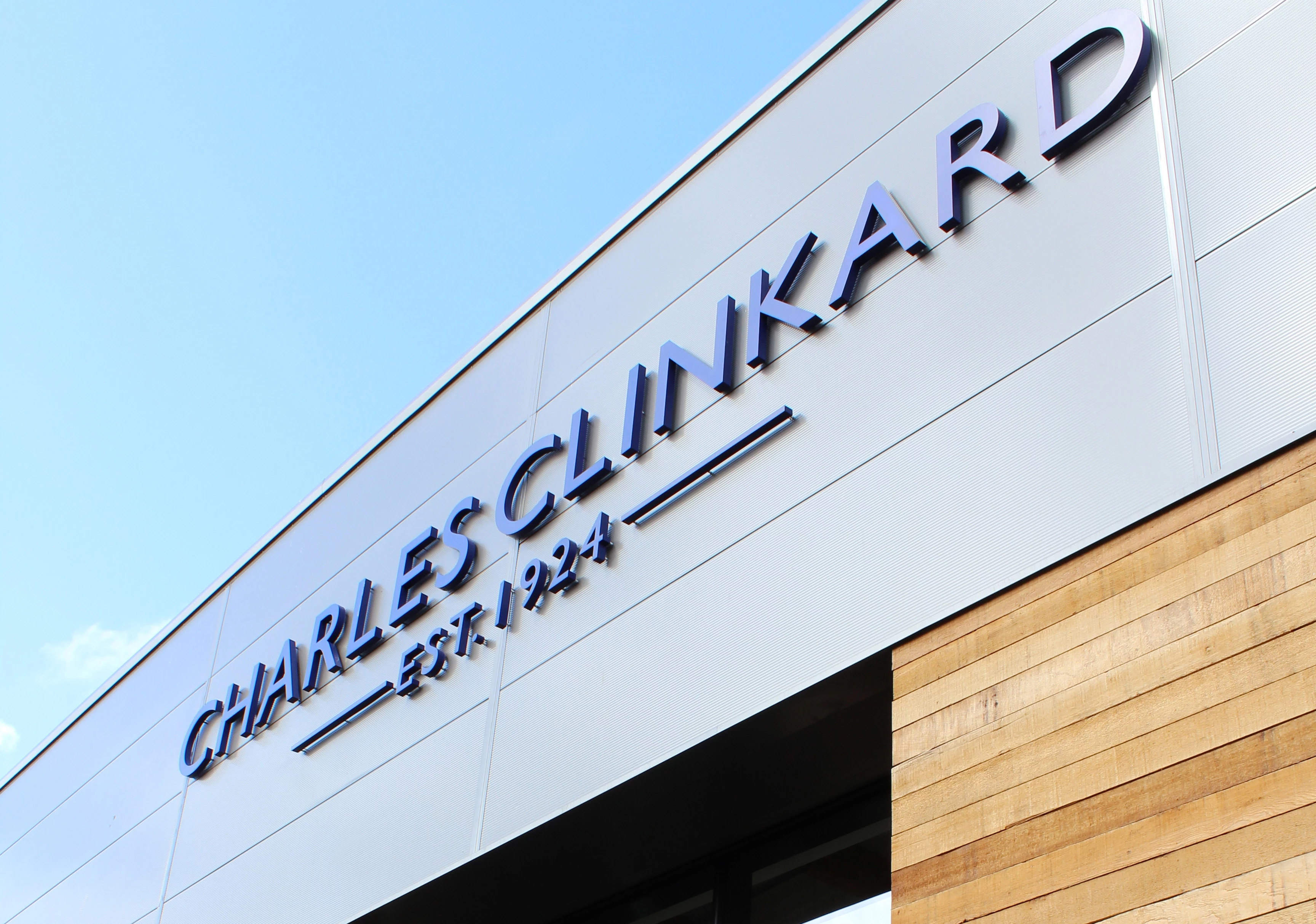
North East shoe retailer Charles Clinkard set for £900k turnover boost with Southern expansion
Family footwear retailer Charles Clinkard has expanded its footprint in the South with the launch of four new concessions.
The additional locations, selling brands including Barbour, Gabor, Josef Seibel and Loake, are forecast to boost the North East firm’s annual turnover by £900k.
The concessions are located at Fields of Sidmouth, Goulds Dorchester, Austins Newton Abbot and Trinity House Axminster.
Managing director Charles Clinkard said: “As we continue to expand across the country from our North East base, we’re delighted to open our new concessions in such desirable locations.
“We’ve welcomed new staff in some stores and their industry expertise and local knowledge will be a huge asset.”
Charles continued: “We know from experience how important an in-store experience is to our customers. For that reason, we’ll continue to invest in bricks and mortar to avoid further empty spaces in the UK’s under-pressure high street.”
Charles Clinkard was founded over 90 years ago. Today, the firm operates from over 30 stores and 11 concessions.
Want your business, product or service to be seen regionally and nationally? Bdaily helps you get your story in front of the right audience, every day. Find out how Bdaily can help →
Join more than 55,000 subscribers by signing up to our daily bulletin each morning here.
Enjoy the read? Get Bdaily delivered.
Sign up to receive our daily bulletin, sent to your inbox, for free.
Our Partners




 Can you really judge someone by their CV?
 Are you flying too close to business burnout?
 Making education a lot better for a lot more
 Have we made it harder for young people to succeed?
 Celebrating Nissan's North East success story
 Are you a meat proxy?
 Engaging the five-generation workplace
 Talent is an asset, not an operational resource
 Taking advantage of the opportunities ahead
 Accountability isn’t the enemy of empathy
 Act now to avoid a last-minute tax scramble
 How inner-city living can transform a city by the sea