
Partner Article
Expenses fall by 20% whilst employees get to grips with working from home
Across the UK millions of workers have been told to stay at home to help stop the spread of Covid-19, and seemingly overnight the way we work has changed dramatically. The increase in remote working has meant businesses are now seeing changes in expense categories from their teams, as IT equipment replaces office lunches.
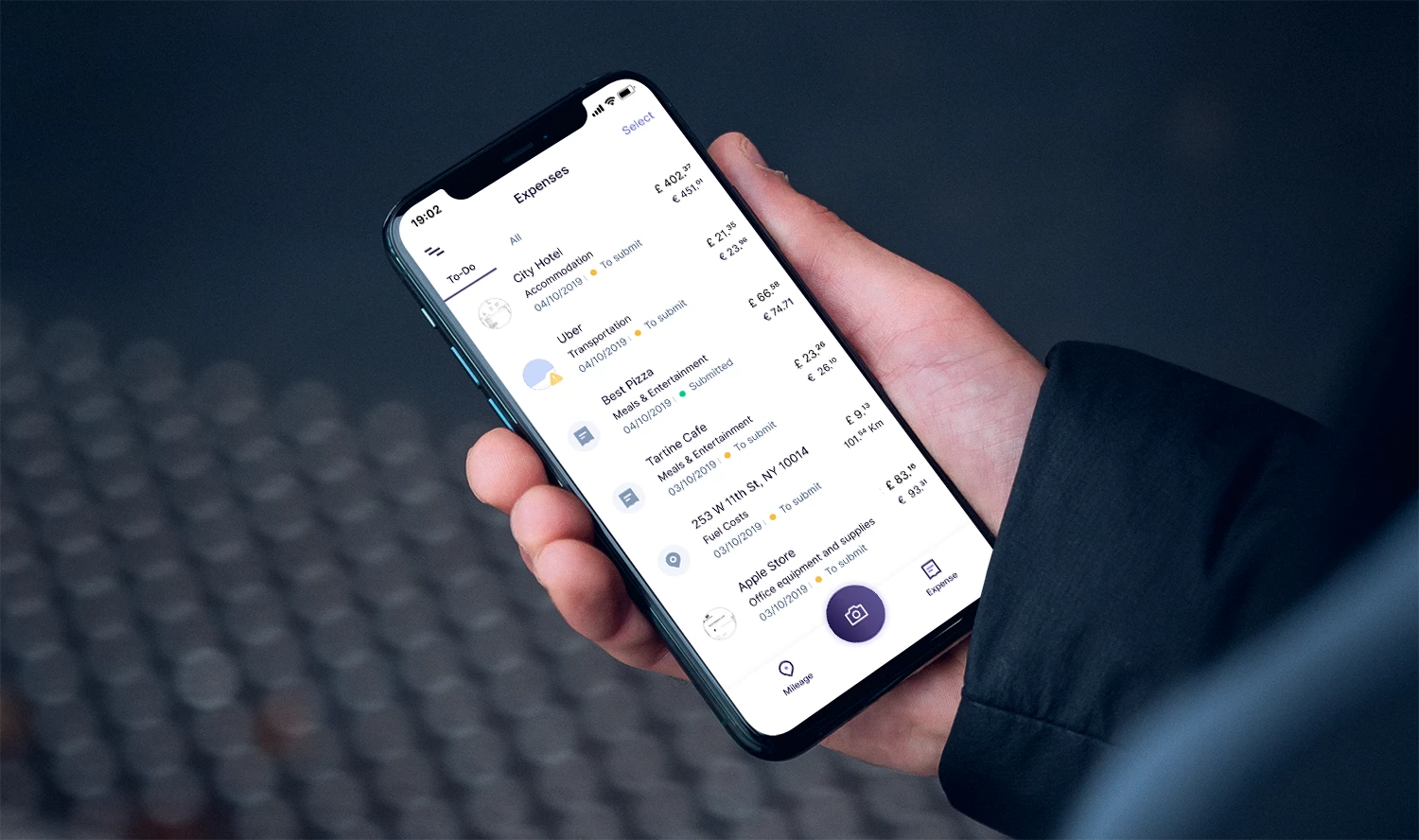
Rydoo, a travel booking and expenses app, studied 850 companies in the UK, including over 12,000 expenses, and found expense claims for software had seen the biggest rise during lockdown with a 28% increase as workers use platforms such as Slack, Zoom, and Skype to stay connected.
Expenses for remote working IT equipment also rose by 18% including working from home accessories, whilst claims for office equipment fell by nearly half (45%).
Overall, the UK has seen a 20% reduction of expenses being logged, with the biggest category drop affecting food delivery services such as UberEats and Deliveroo, down by 76% as lunchtime treats, client meetings and late night dinners are no more.
“The new working reality changes not only what is billed as expenses, but the process involved”, commented Rydoo CEO Sébastien Marchon. “Employees who work from home must be able to submit expenses digitally to ensure the processes are efficient and error-free.”
This was posted in Bdaily's Members' News section by Rachel Robins .
Enjoy the read? Get Bdaily delivered.
Sign up to receive our popular morning London email for free.
Our Partners




 Is your business making the most of artificial intelligence?
 Resilience, connection and maximising opportunity
 In pursuit of healthy obsession
 Why the Budget must restore productivity
 What does collaboration really mean in business?
 Why NE6 is the real Northern Powerhouse
 Can you really judge someone by their CV?
 Are you flying too close to business burnout?
 Making education a lot better for a lot more
 Have we made it harder for young people to succeed?
 Celebrating Nissan's North East success story
 Are you a meat proxy?