
Partner Article
Farmers need clarity over new payment rules
Farmers need urgent clarity on how they can continue making a living under new payment rules that come into effect after the Brexit transition period, according to a top agricultural lawyer.
From 1 January 2021, English farmers will no longer receive the Basic Payment Scheme (BPS), an EU derived subsidy they receive according to the amount of land they occupy.
Instead, the government will commit the same amount of funding as if England had stayed in the EU but will gradually withdraw direct payments to farmers over a seven-year period, and channel that money into other schemes designed to boost productivity and protect the environment.
Different schemes will operate in Wales, Scotland and Northern Ireland providing the prospect for significant internal competition between regions.
The change will see farmers facing a potential income gap between the reduction of direct payments over the next four years and the introduction of the new Environmental Land Management Scheme after 2024.
The new Environmental Land Management Scheme will eventually pay farmers for activities such as flood prevention, planting woods and increasing biodiversity.
With only one month to go before the end of the transition period with the EU, farmers are facing a lack of detail on the support available as the BPS is gradually withdrawn.
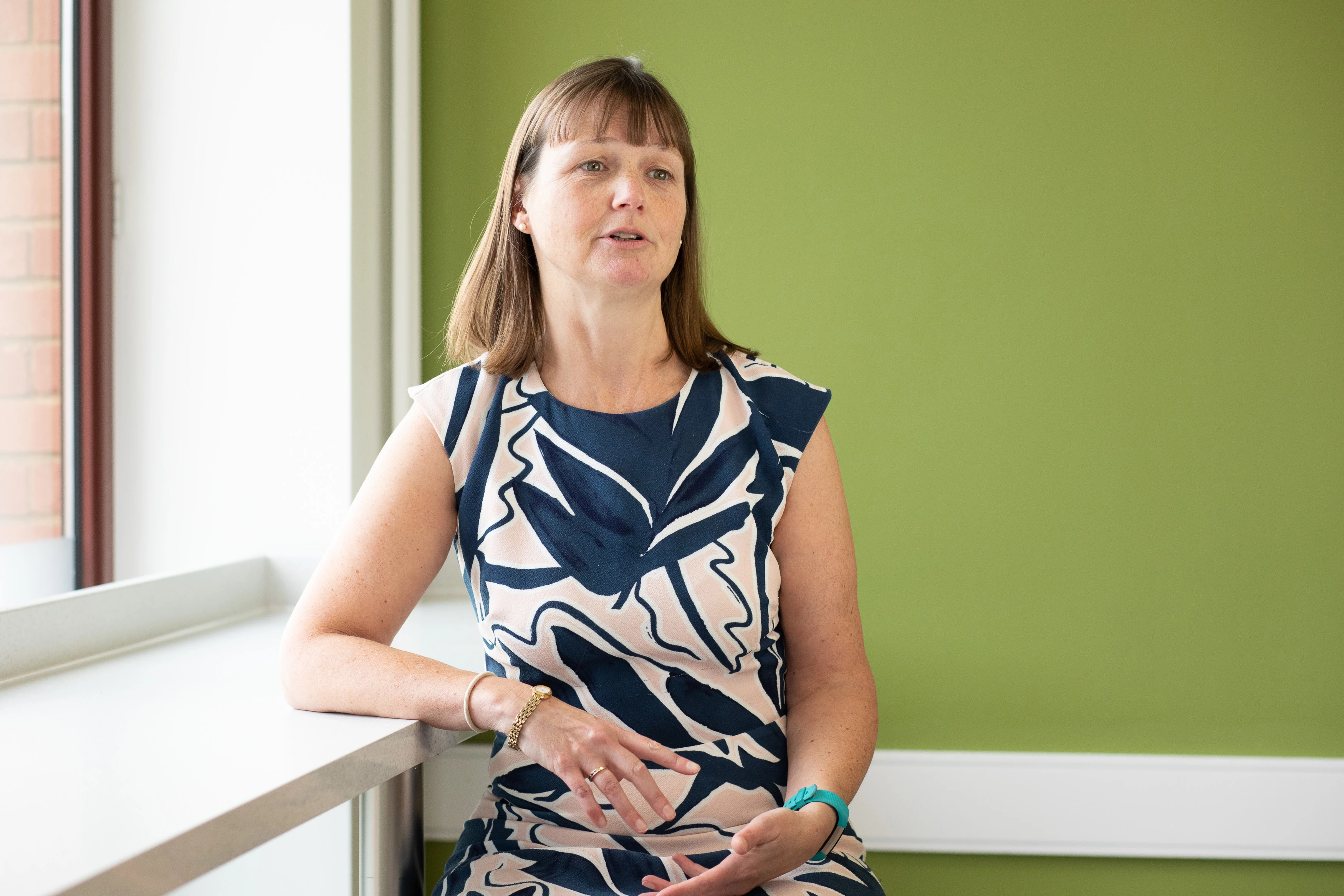
Alex Robinson, Head of Agriculture at leading Midlands law firm Wright Hassall, believes farmers are in danger of being left high and dry by the government’s lack of organisation and will continue to need financial support while they adapt to farming in a world where the government’s agricultural focus has shifted to the environment.
She said: “The government is sending out mixed messages - they want farmers to be more productive while protecting and enhancing the environment but have not, so far, released any detail on how farmers can achieve both while making a living.
“The vast majority of farmers want to farm to high standards, and in tune with the environment, but doing that leads to higher production costs - and the UK consumer is not used to paying a realistic price for a quality product. Farmers’ incomes are already below the cost of production - hence the need for government support to bridge the gap.
“Agri-tech may be the answer in the long run but, at the moment, the kit is very expensive. Many farmers are already deploying precision farming techniques using GPS and controlled traffic farming as an example, but it will take time to be more widely used.
“Farmers have only ever followed government policy. If certain historic outcomes are now seen as undesirable, that is the fault of the policy at the time, not that of farmers.”
This was posted in Bdaily's Members' News section by Matt Joyce .
Our Partners




 Can you really judge someone by their CV?
 Are you flying too close to business burnout?
 Making education a lot better for a lot more
 Have we made it harder for young people to succeed?
 Celebrating Nissan's North East success story
 Are you a meat proxy?
 Engaging the five-generation workplace
 Talent is an asset, not an operational resource
 Taking advantage of the opportunities ahead
 Accountability isn’t the enemy of empathy
 Act now to avoid a last-minute tax scramble
 How inner-city living can transform a city by the sea